

The question has been popped, you’ve shared the happy news with your loved ones, and now you get to call your betrothed your fiancé(e). Congratulations! The next thrilling chapter is all about the planning, and we know you can’t wait to get started.
But let’s be honest here: planning a wedding is certainly no small feat, so we get it if your list of to-dos seems a little endless and the preparation’s a bit daunting; you’re not alone in that! This is why you and your spouse-to-be might consider hiring wedding planners to step in. But how do you decide if you actually need an extra set of hands? Worry not, because with this guide, you’ll figure out if bringing a planner on board is the right move for your big day.
What Is a Wedding Planner? The Wedding Planning Industry
Wedding planners are your guardian angels! They’re trained to listen to your needs, consider your budget, and assist you in planning your perfect wedding day. Think of them as your guide, your sounding board, and your behind-the-scenes problem solver!
While wedding planners pretty much cover everything (depending on the type of service you pick), there are lots of other wedding planning helpers on the market, too! To get a better idea of what planning service might suit you best, we’ve also included a small overview of the other options out there.
Alternative Wedding Planning Services
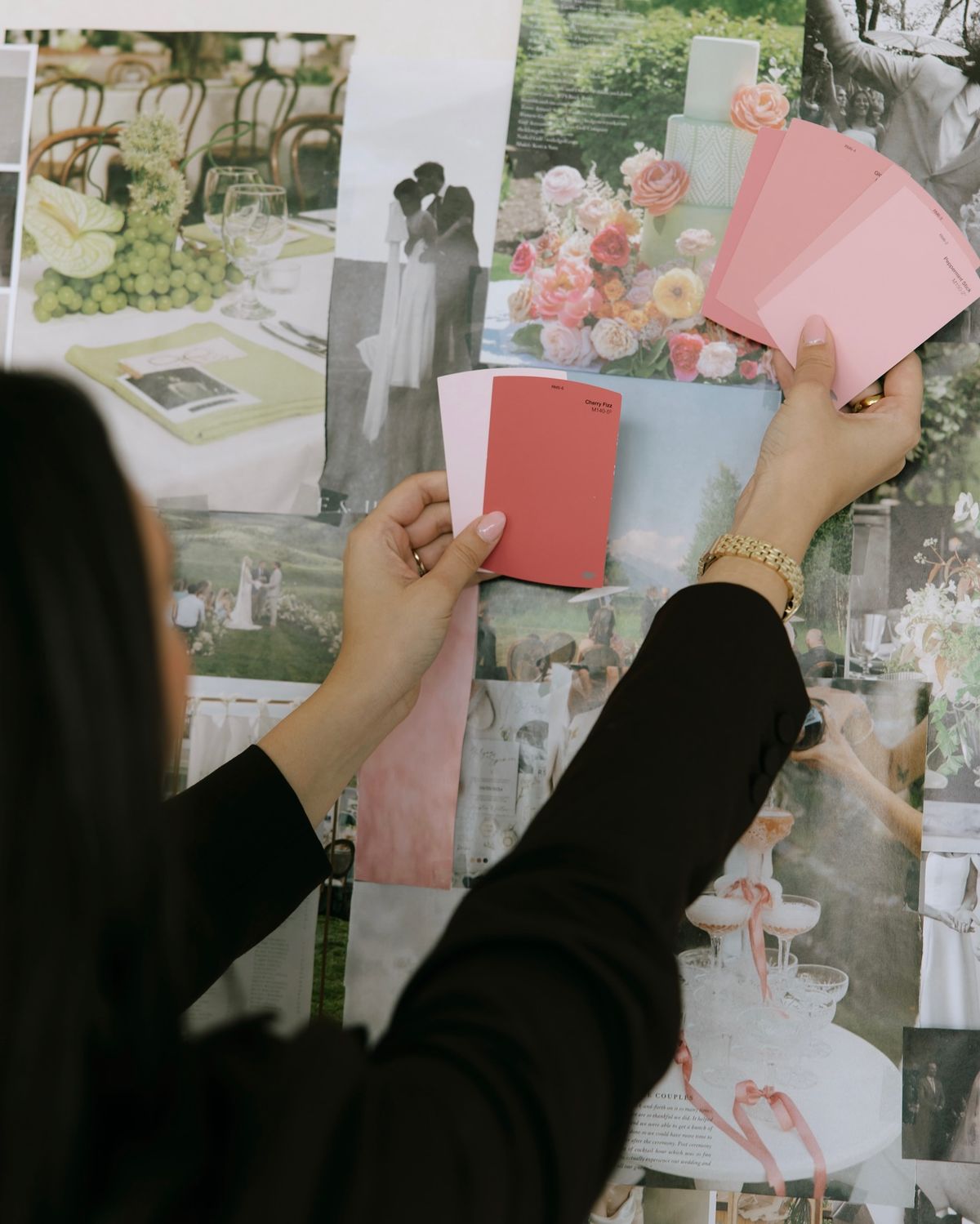
Wedding Designers
They’re responsible for creating the overall design concept for your day, with their focus being on developing the theme, color palette, and floral selections.
Photo: pinterest.com

Wedding Coordinators
Sometimes known as a wedding consultant, they’re typically the point-of-contact on your wedding day. They’ll probably step in about a month before the wedding to ensure all the finer details are in order, including guest counts, payments, and vendor coordination.
Photo: pinterest.com
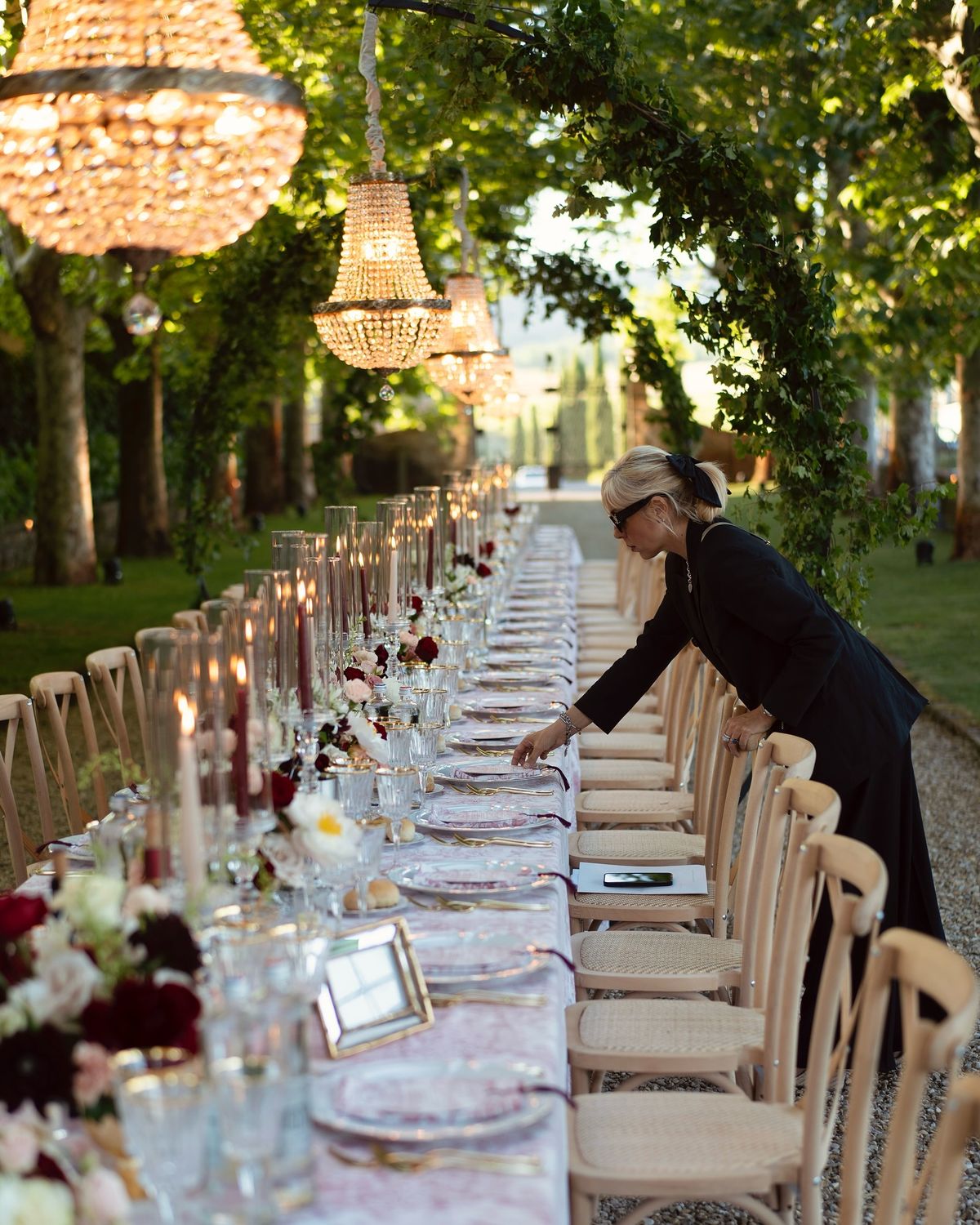
Wedding Facilitators
They’re usually provided by the venue, as they’re in charge of handling the setup, teardown, and cleanup of the space. They’ll be your go-to person for questions on anything to do with the venue organization and the scheduling of the day.
Photo: pinterest.com
What Does a Wedding Planner do? The Specifics on Wedding Planners
We’ve already explained that there are a lot of planning services out there, and that your wedding planner is someone who pretty much covers all of your bases. These experts are here to turn your wedding dreams into a reality!
However, buckle up, because there’s more yet to come. Depending on how much planning you need assistance with, there are actually different levels of wedding planner choices. And, obviously, we’re not going to leave you hanging, so check out the list below!
Wedding Planner Types
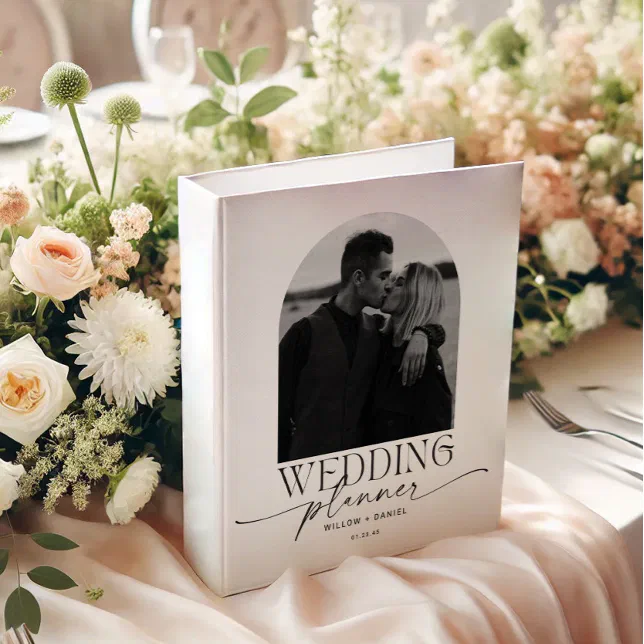
Full-Service (All-Inclusive) Wedding Planner
They’re your step-by-step guide and professional opinion from day one! They’ll cover every aspect of your wedding day – from the little details to the big decisions – and make sure everything from the moment of engagement to the time you set off for your honeymoon is smooth sailing. Typical tasks might include:
- Creating and planning your wedding timeline
- Sourcing and coordinating your vendors
- Negotiating contracts with your vendors and suppliers
- Tracking budgets and payment schedules
- Overseeing guest management, event logistics, and, as we mentioned, just generally handling any aspect of your wedding details.
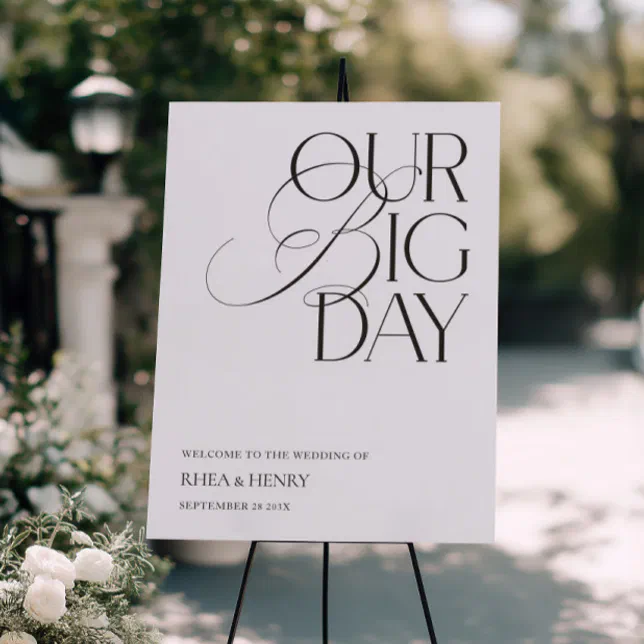
Day-of Wedding Planner
They’re your wedding day game planner, and very similar to a Wedding Coordinator! While their job will actually start a few weeks before the wedding, they’ll work through what needs to be done prior to the event, any last-minute details, and will be there to make sure everything is running on schedule on the day! Typical tasks might include:
- Confirming timelines with vendors and venues
- Managing ceremony and reception schedules
- Coordinating vendor arrivals and setup, as well as breakdown
- Managing any last-minute changes and handling any potential emergencies before they become stressful.
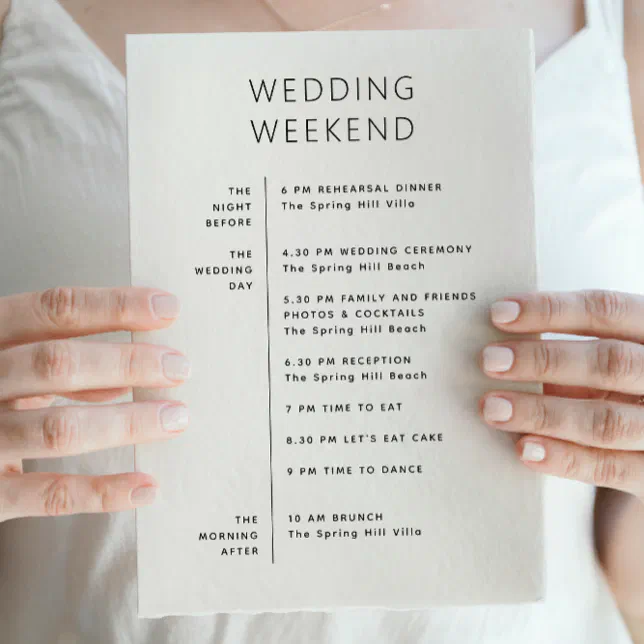
Wedding Weekend Planner
When the plan is for the party to roll on for the full weekend, they’re your secret weapon to look after the details for all the festivities – from the wedding itinerary to the non-wedding-specific activities like rehearsal dinners to morning-after brunches, all while looking after the larger number of guests that your plans might be catered towards. Typical tasks might include:
- Planning multi-day event schedules and timelines
- Organising accommodation and guest transportation
- Managing vendors across your wedding weekend by keeping track of budgets and pricing
- Overseeing rehearsal dinners, brunches, and any other parties happening over the weekend.

Destination Wedding Planner
They’re your eyes on the ground! If you’re planning a destination wedding, especially at a location that you can’t visit easily, they’ll be your trustworthy professional. They’ll scout for venues, meet with vendors, and give you all the important regional information on the ins-and-outs when you’re not in-person. Typical tasks might include:
- Researching and sourcing local vendors
- Coordinating travel timelines and logistics
- Negotiating contracts with regional suppliers
- Managing the necessary paperwork and requirements to ensure the marriage celebration goes smoothly.
How Much Does a Wedding Planner Cost?
Now, these real-life wedding superheroes do come with a price tag – so, let’s talk numbers! In the U.S, couples can usually expect to spend anywhere from $1,200 to $15,000 on wedding planners, with destination and luxury weddings adding to the costs, depending on how elaborate the celebrations are. With all the tasks that they cover, and the planning stress that they can take off the couple, many people consider this money well spent. To let you make the best choice for you, here’s a general breakdown of what couples can expect to spend:
- Full-service: $3,000 – $12,000+
- Partial planning: $1,500 – $6,000
- Day-of coordination: $800 – $2,000
- Hourly rates: $75 – $275/hr
Every wedding is different, which can, in turn, affect the cost of your wedding planner! Wedding planning costs aren’t a one-size-fits-all situation; there are several factors that can influence what you pay.
Additional Considerations

Location
Prices can often depend on where you live, as well as the location of your wedding itself! Due to higher demand, expensive living costs, and steeper vendor premiums, hiring a wedding planner in a major city can be much more expensive than in the countryside. Destination weddings might incur additional costs, as your planner might charge travel fees – and this might also apply for general local travel, depending on where the planner is based.
Photo: pinterest.com
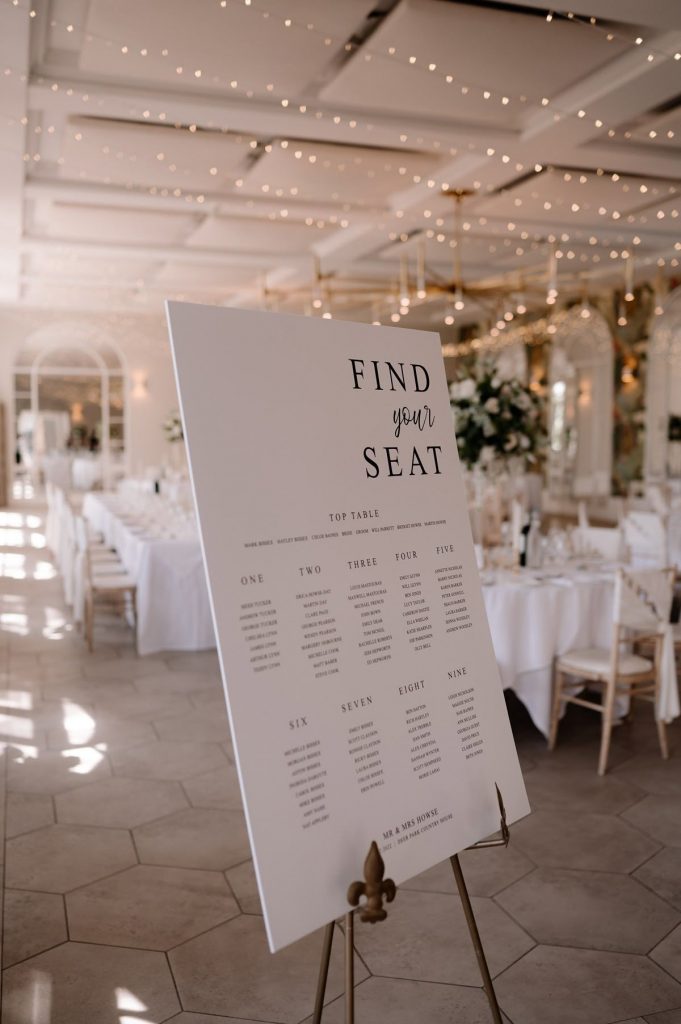
Guest Count
Naturally, a larger guest list means additional coordination, more seats at tables, food and beverage costs, and extra planning hours. These extra moving parts can increase the overall pricing!
Photo: pinterest.com
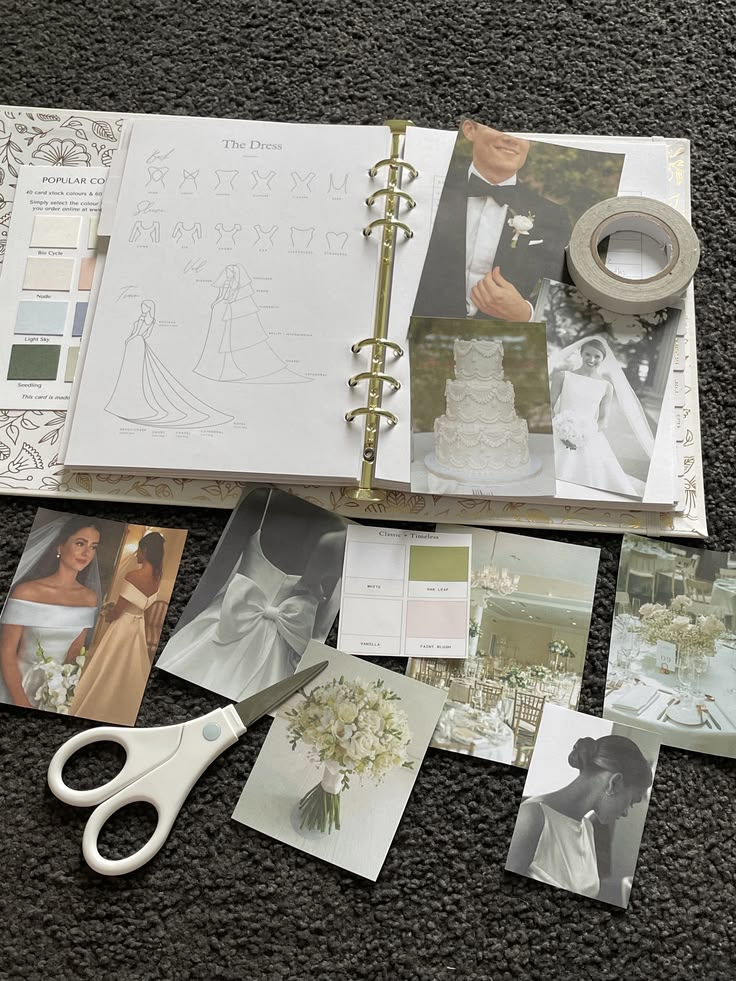
Planner Experience
Experienced wedding planners with strong vendor relationships and polished portfolios often come with a higher price tag! That said, the industry expertise that comes with this experience can be worth the additional expense that comes with the added confidence this brings to some couples.
Photo: pinterest.com
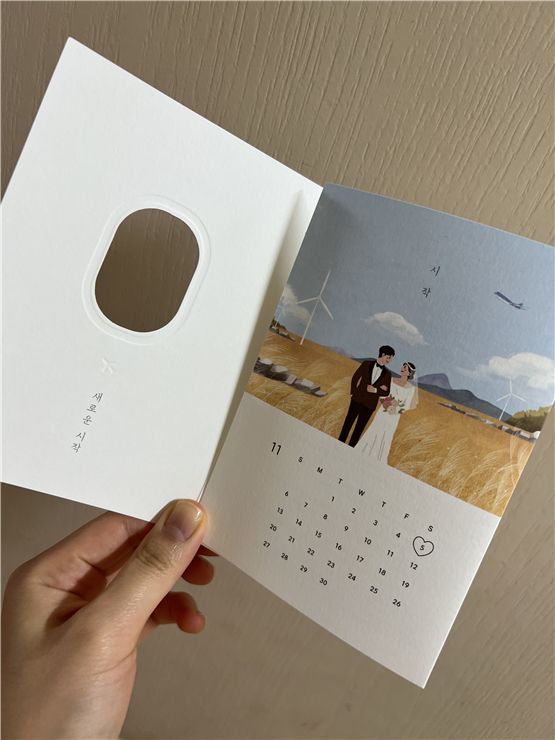
Time of Year
Peak wedding season, which is usually late spring to early fall in the US, can affect pricing and availability. Those highly sought-after planners can get snatched up months (or years) in advance! There can also be a higher premium for wedding costs within those months, which will have an effect on what the planner charges.
Photo: pinterest.com
Do You Need a Wedding Planner? The Pros & Cons of Hiring a Wedding Planner
So, now you have all the nitty-gritty particulars about wedding planners, let’s figure out if you actually need one! Around 30% of couples hire a wedding planner, and a tried-and-tested way to determine whether you need some help is to make a list of all the things you need to plan. If you’re not sure where to start on creating your own wedding planning list, check out the comprehensive “The Step by Step Wedding Planning Timeline from Start to Finish” for some guidance! When broken down piece by piece, you might find that you may well benefit from having someone in your corner who can handle all those details.
Couples can spend a whopping 200 – 300 hours planning their own wedding, which works out at about 8 to 12 hours a week over the typical 12 to 18-month engagement. Hiring a professional and delegating planning can help mitigate any burnout. In addition, understanding the positives and negatives of hiring a wedding planner can help couples to decide if this move aligns with their wedding vision! Naturally, we’ve put together some of those Pros and Cons below.
The Pros
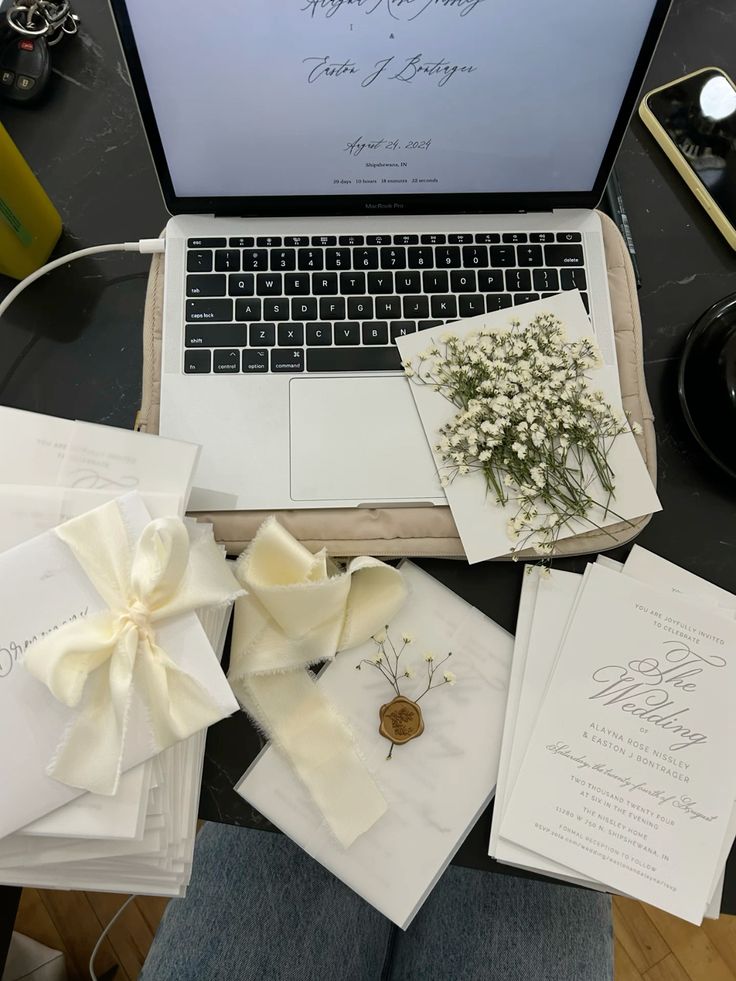
Logistics and Details
Wedding planners are professionals for a reason! They can handle the intensity of planning a large event that requires tapping into the expertise of people all over town, while working closely with you and remaining within the constraints of your budget. They stay clear-headed during those moments when you feel like tearing your hair out!
Photo: pinterest.com

Industry Connections
Planners have access to a wide range of professionals – from affordable vendors to specific caterers, videographers, or makeup artists – providing you with vetted options to achieve your wildest wedding dreams! The network of contacts in their back pocket allows them to make the seemingly impossible possible with a simple phone call. Planners can also save on vendor costs with their industry connections, sometimes even securing exclusive discounts, avoiding hidden fees, and negotiating favorable contract terms. This can sometimes get you a significant discount of 10 – 20% with each vendor! These savings can be super beneficial for couples who are working within a stricter budget.
Photo: pinterest.com
The Cons

Additional Expense
Of course, expertise will naturally come at a cost. You’ll need to consider whether it’s worth the pretty penny you save through their connections, where you might otherwise pay top dollar. Their insider information puts you in a great position to plan your dream wedding, but the more you need from them, the more you will pay!
Photo: pinterest.com

Giving Up Control (Potentially)
Hiring a planner means taking your hands off the wheel, as you’ll no longer be riding totally in the driver’s seat. There’s a chance that you might have to compromise on areas where you envisioned being in complete control. That’s the point of working with a professional, however, and what you sacrifice in autonomy may be well worth the end result!
Photo: pinterest.com
When Should You Hire a Wedding Planner?
If you’re wondering when the right time is to hire a wedding planner, the short answer is: probably earlier than you think! Having someone to handle the behind-the-scenes logistics while you focus on your engagement is also a pretty big win! Bringing a planner in early can save you from stress and timeline confusion. We’d recommend the following timeline, depending on your service:
- For a full-service wedding planner, start looking 12-18 months before the wedding date.
- For a partial wedding planner, start looking around 6-9 months before the wedding date.
- For a day-of wedding planner, start looking around 1-3 months before the wedding date.
Don’t forget, destination weddings, large guest counts, cultural or multi-tradition ceremonies, and unique venues all require more coordination, communication, and timeline management, which means your wedding planner will need some additional time to work on getting everything sorted out!
How to Choose Your Wedding Planner
You’ve made the decision that you want to hire a professional for the job. That’s awesome – you can already revel in the relief of knowing that many major responsibilities will be in someone else’s hands! To find the right person for the role, you need to do some serious research. Start by asking friends if they used anyone to plan their weddings; word-of-mouth can go a long way in finding someone you can trust.
One of the greatest things about the internet is the plethora of information you can access. Within a few minutes, you can gather data on all of the wedding planners near you. Typically, wedding planners will have their portfolio listed on their site, so be sure to check them out and see how they’ve styled other weddings. This gives you an insight into whether their ideas match your own, and whether you like the work they do!
Questions to Ask Before Hiring a Wedding Planner
Don’t stop there, though. When you have a few prospects in mind, set up a face-to-face meeting to see how your personalities mesh. Prepare some notes and questions so you can provide your potential planner with your goals and plans during your first consultation. Feel free to bring along pictures and vision boards that more vividly express your dream!
Once you’ve confirmed they’re available for the dates you have in mind, here are some additional queries to run by them before saying “I do” to your planner!

- “Do you have a minimum budget?”
- “How long have you been in business?”
- “What types of venues have you planned weddings in?”
- “What’s included in your fee?”
- “How many people on your staff will be at the wedding?”
- “Do you handle professional services, contracts, and payment processing?”
- “What are some ideas you have for pulling off our vision?”
- “If you do both design and coordination, what is your main specialty?”
- “Are there overtime charges?”
Photo: pinterest.com
You can even request some references from your potential wedding planners, so chat with other clients, venues, or vendors that they’ve worked with. The aim is to determine if they can pull off your ultimate wedding ideas! If you feel like it’s a great fit and you’re confident that they can make your vision a reality, it’s time to get planning together.
Planning Your Wedding Without a Planner
While wedding planners are super helpful, they’re definitely not a requirement for planning a wonderful wedding! The key is having the right tools, organization, and support to keep everything running smoothly. As always, Zazzle is here to help you with some tips and tricks:
- Avail of help! With all the amazing planning apps, checklists, and resources out there, plenty of couples successfully plan their big day without a hitch.
- Don’t overlook your venue coordinator! If your venue includes an on-site coordinator, you may already have more help than you realise. While not a full-on wedding planner, they will often help with managing venue logistics, timelines, and setup for your big day.
- Check out wedding planning resources for your specific wedding type! We’ve put together a list of some of the different options out there:
- If you’re stuck in a last-minute wedding planning whirlwind, check out “Tips for a Beautiful Wedding on Short Notice.”
- If you’re considering having a micro-wedding, read “Tips and Tricks for Planning a Small Wedding.”
- If warmer sands are calling your name, here’s “Destination Weddings: Weighing the Pros & Cons for Your Dream Wedding.”
- If you’re looking to fully immerse yourself in the day and not your devices, then see “Planning an Unplugged Wedding: The Benefits & How to Let Your Guests Know.”
In the end, deciding to hire a wedding planner comes down to what you want from the experience! If you’d rather relax and have someone else handle the details, then it might be a lifesaver. But, if you love being in control and want to channel your budget elsewhere, going solo might suit you best! Whatever you decide, we wish you the best of luck with your big day preparations!

Lily is a Content Specialist at Zazzle from Galway, Ireland. Before she could even walk, she was begging her parents to read her fantastical stories filled with great adventures. To this day, just give her a cup of tea and a good book to cozy up with, and she will be happily lost for hours! If she doesn’t have her nose in a book, then she will probably whipping up something delicious in the kitchen for her friends and family, or, negotiating with her house plants to stay alive.
Read more from Lily.