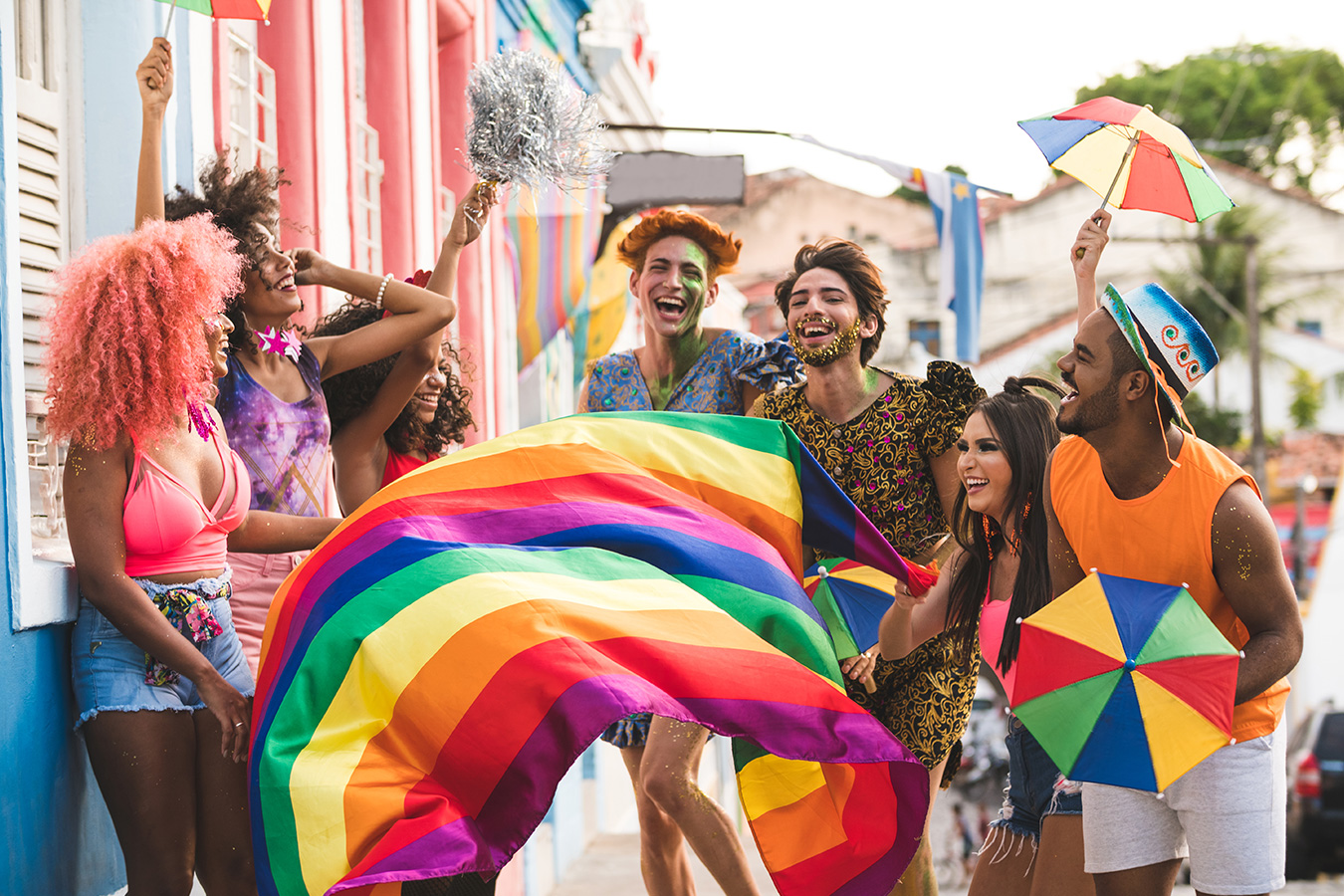
On June 28th, 1970, the U.S. saw its very first Pride marches in the cities of New York, Chicago, Los Angeles, and San Francisco. After that, they only grew in both number and influence. But Pride is much more than a month of rainbows and parades – it is a declaration that the LGBTQIA+ community deserves the same things as everyone else – a chance to live the life we choose, how we want, without shame. This year, we would like to discuss the legacies of some of the most iconic figures in Pride’s history, using art as a form of celebration and resistance.
The Legacy of Pride
“No pride for some of us without liberation for all of us” – Marsha P. Johnson.
This year marks 57 years since the first brick was thrown during the Stonewall Uprising. That brick, that one decision, kick-started a movement to form what we now know as Pride. But the legacy of Pride predates even then, for it wasn’t the first time we’ve fought for our voices to be heard. In 1924, Henry Gerber founded the Society for Human Rights, where a newsletter, “Friendship and Freedom,” a discussion forum for gay men, was established. In 1950, Harry Hay founded the first enduring gay rights organization, The Mattachine Society, and in 1955, the Daughters of Bilitis, founded by four lesbian couples, became the first lesbian rights organization in North America. The Stonewall Uprising was the catalyst that transformed the movement into the global force it is today, but its legacy extends far beyond.
We asked our fiercely talented Creators here at Zazzle to share their insight into what kind of legacy they would like today’s Pride movement to leave behind, and here is what they had to say:

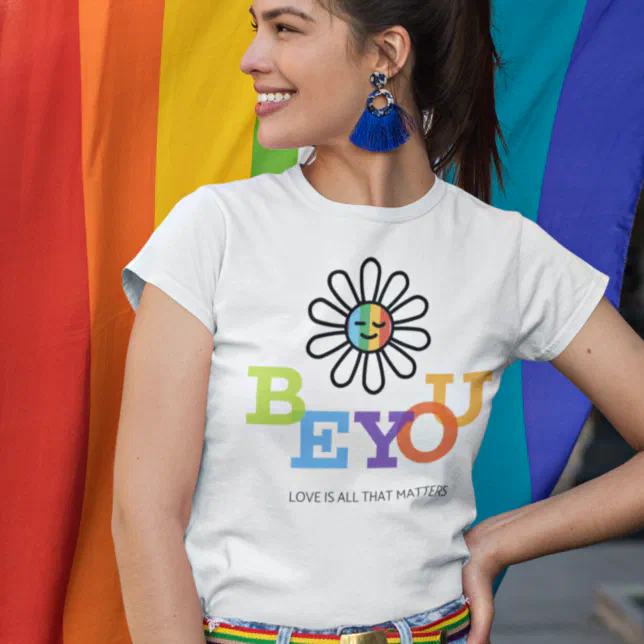
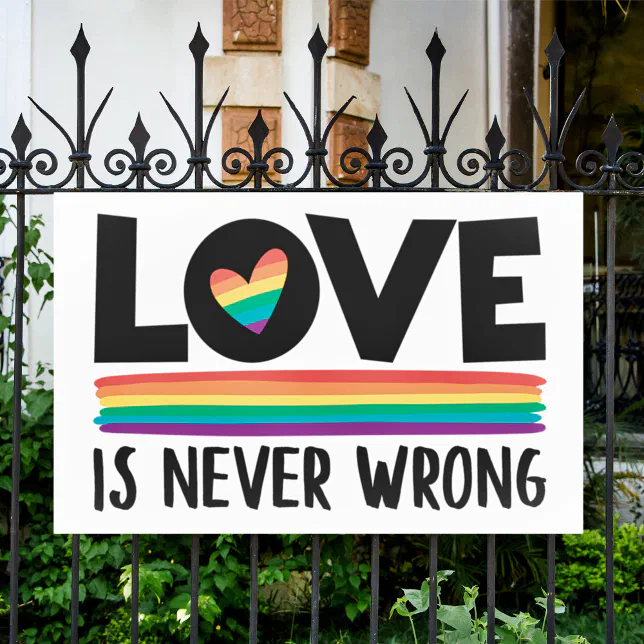
I want the legacy to be love. Love can conquer hate in every way, and I stand on that. The world needs to see that love still exists even against all odds. I know because I am love, and I spread it every second I get because I have an abundance to give, and so does the world. If we could just see hearts over flesh. Sounds so simple, but love is the answer. May it heal us all.
I want today’s Pride movement to leave behind a legacy of acceptance, equality, and courage. I hope future generations grow up in a world where people can openly be themselves without fear of judgment or discrimination. Pride should continue to inspire people to support one another, celebrate diversity, and create stronger, more inclusive communities for everyone.
https://www.zazzle.com/collections/rainbow_pride_love_gay_lgbtq_collection-119736639191756293
Resistance and Celebration Through Art
“The purpose of art is to lay bare the questions that have been hidden by the answers” – James Baldwin.
Do you remember the iconic “Vogue” by Madonna, the song that took the world by storm in 1990? “Vogue” was written and inspired by the highly stylized, improvisational dance style known as “vogue” or “voguing.” Voguing was brought to life in the ballroom scene, an art form predominantly developed and pioneered by our Black and Latin trans sisters as a form of resistance against racism, transphobia, and homophobia. It was popularized in the late 1960s/early 1970s, a time when not subscribing to that status quo meant alienation from society. Revolutionaries like Crystal Labeija and Lottie Labeija broke the norms, allowing us to now enjoy the fruits of their labor across various media types, including, but not exclusive to, visual entertainment, music, fashion, and design.
Art, throughout history, has been intrinsically linked to resistance. Household icon Frida Kahlo, for example, reflected her LGBTQIA+ identity through themes of androgyny and gender nonconformity. Andy Warhol expressed his identity by embracing camp aesthetics, exploring gender performativity, and focusing on marginalized figures within the LGBTQIA+ community. RuPaul (and just about every other drag queen/king) is challenging societal norms through mainstream visibility.
We wanted to find out a little bit about how our Creators here at Zazzle express their LGBTQIA+ identities in their artwork, and this is what they had to say:
My identity within the LGBTQ+ community deeply influences the way I create. Art and design have always felt like a language for self-expression – a way to communicate emotions, identity, freedom, and individuality without needing permission. I’m drawn to designs that celebrate authenticity, connection, and bold self-expression because those themes reflect both my personal experience and what Pride represents to me. Whether through color, symbolism, typography, or mood, I try to create artwork that feels inclusive, uplifting, and emotionally honest. For this year’s Pride celebration, I want my designs to remind people that visibility matters and that joy itself can be a powerful form of resistance. Creating Pride-inspired work is not only about aesthetics – it’s about creating something people can wear, share, or display with pride in who they are.
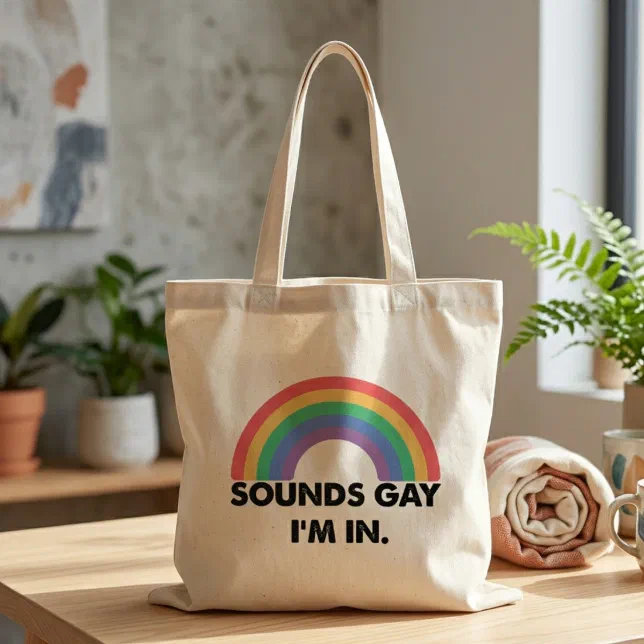
Pun Daddy Cards was founded by Jonny and Maya, two queer best friends, during Pride 2025. The intention of Pun Daddy Cards is to GO BEYOND THE RAINBOW, and offer a wide selection of gift options full of puns, joy, and queer cultural references.
https://www.zazzle.com/collections/gay_pride_month_celebration_gifts-119190766812789502
United We Stand
“In a world where tolerance and freedom for the LGBTQIA+ community are not universal, Amsterdam wants to be a symbol of unity.” – WorldPride 2026
This year, WorldPride 2026 will depart the U.S. and travel onward to Amsterdam, Netherlands. First held in Rome, Italy, in the year 2000, this event has become a global sensation, highlighting our communities’ fight for equality, autonomy, and visibility. The overarching theme is “Unity.”
Our Creators were asked about what “Unity” means to them, and this is what they had to say:
The LGBTQ2+ community contains multitudes: different identities, different struggles, different histories. Unity means we choose to celebrate that diversity instead of making it flat. It means opening our arms and mind wide so that allies can walk alongside us, and more importantly, that the person who just came out last week marches next to someone who’s been out all their life. I live in Vancouver, BC, and I’ve had the privilege to march in the Pride parade a couple of times. It’s an amazing feeling when you are in the middle of that crowd. It’s the moment you look around and realize just how varied and beautifully complex our community really is. The march is symbolic; it is a movement forward, which to me is Unity.
To me, Unity is the ability to share pure love across all gender identities. It is about creating a space where everyone feels included and connected through the beauty of diversity.
The Future of Pride
“Hope will never be silent” – Harvey Milk.
Pride is so many things – it’s a celebration of identity, a reclamation of dignity, a protest for equal rights, in all facets of society, and ultimately, it’s a beacon. One of prosperity, righteousness, and hope, encompassing all of the wonderful colors of the rainbow, to let anyone out there who may fear who they are, that they deserve to exist, that they deserve to be. Support your local LGBTQIA+-owned businesses and artists. Donate to causes like Trans Lifeline, The Trevor Project, GLAAD, The Marsha P. Johnson Institute, and LGBTQIA+ youth centers.

Adam is a Content Specialist from Kerry, Ireland. His passions include going for long runs, video games, a love for animals, coffee, and travel!