There’s something about letterpress you feel before you can put it into words. The weight of the paper, the soft press of the ink into the page, the quiet sense that someone made this on purpose. We’re so glad to bring that handcrafted quality to Zazzle.
This guide walks you through how letterpress printing works, what it’s best suited for, and the little details worth knowing before you design with it.
What Is Letterpress Printing?
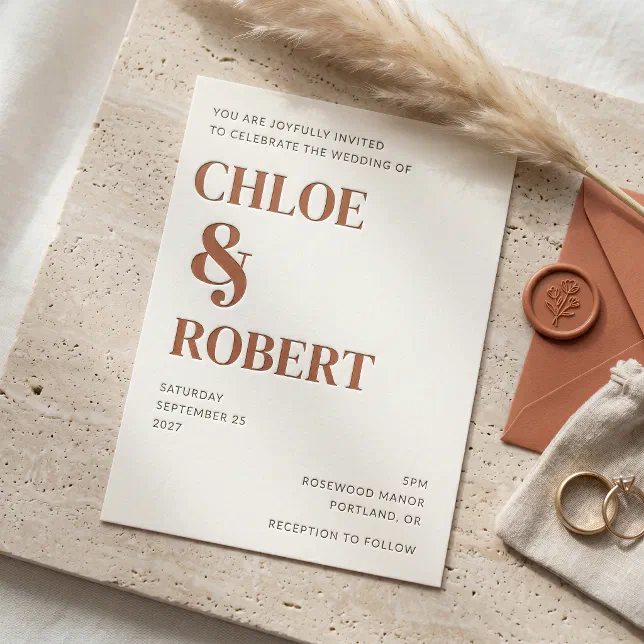
Letterpress printing, sometimes called letterpressing, is a form of relief printing. A raised, inked surface presses into thick paper and transfers the ink, leaving a crisp impression you can actually run your finger across. That impression is the whole appeal. It’s what gives letterpress its premium, handmade feel, and it’s why you’ll so often find it on wedding invitations and the stationery people keep for milestones.
The History of Letterpress
Here’s a little history, because the letterpress you can order today rests on a craft that’s been handed down for nearly a thousand years.
The Early Origins
A form of letterpressing existed as early as 1040 CE. During the Northern Song dynasty in China, an inventor named Bi Sheng created a movable type system that used ceramic letter tiles to print text on paper. The craft is far older than most people imagine, and there’s something lovely about that.
Through the Centuries
Johannes Gutenberg brought these techniques to the West with movable metal type and the wooden printing press around 1440 CE. He arranged individual letter blocks, each cut in reverse so it would print correctly, inside a sturdy frame to form the text. Because the process pressed individual letters into the paper, it became known as letterpress. Books no longer had to be copied and illustrated by hand for a wealthy few. Suddenly ideas could reach far more people, and that quiet shift started with pressing letters into a page.
Modern Revival
Letterpress is having a real comeback as a premium choice for wedding invitations, holiday cards, birth announcement cards, and graduation cards, the moments people most want to mark with something lasting.
The modern process closely mirrors the traditional one. Etched dies are coated in ink, the ink spreads across the plate, and the plate is pressed into the paper. Today’s presses often use hand-set type or photopolymer plates for beautifully detailed results. The press leaves a slight depression in the paper along with the printed design, and designs with more than one color use a separate plate for each ink. It’s still a thoughtful, intentional way to print, especially when you’re celebrating something that matters.
Common Uses of Letterpress Printing
So what is letterpress best for? Since it’s all about that quality, hands-on experience, it tends to show up at life’s bigger moments, the ones you’ll want to hold onto.
At Zazzle, we’ve poured our focus into a suite of four base products. Each one works across a wide range of events and occasions:
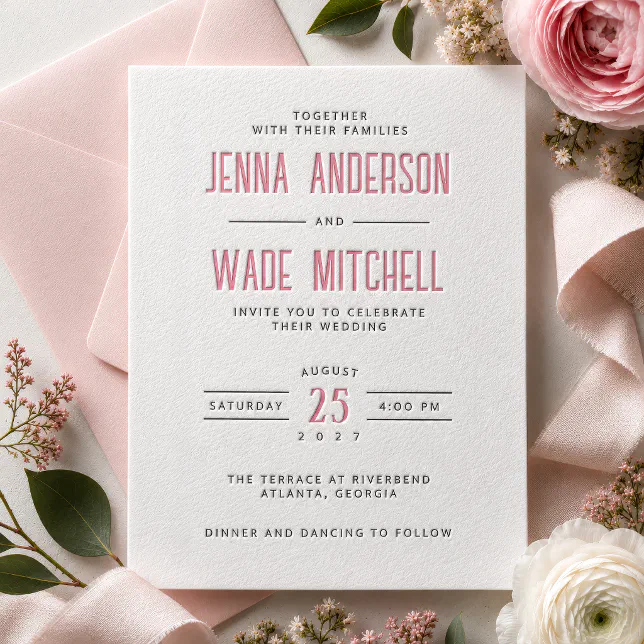
Letterpress Wedding Invitations (Flat Cards)
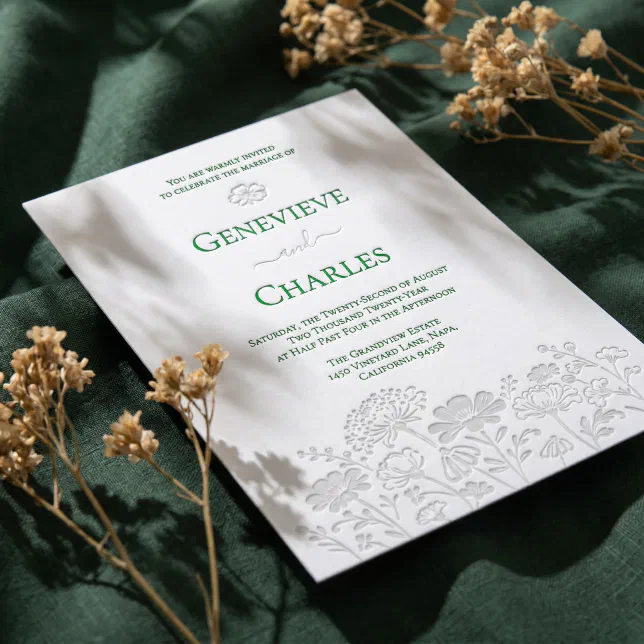
The depth and texture set the tone before your guests read a single word. It’s the first hint that something special is on its way.
Letterpress RSVP Cards
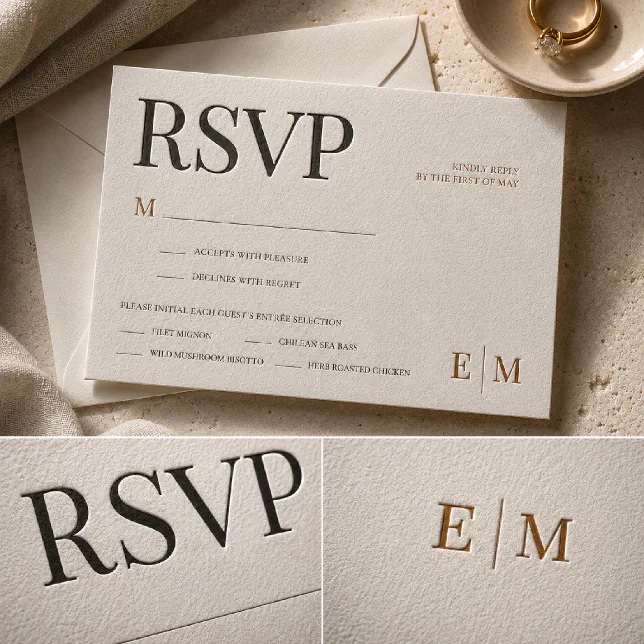
Bring that same elegance to the smallest detail of your suite. A simple response card becomes something guests notice the moment it lands in their hands.
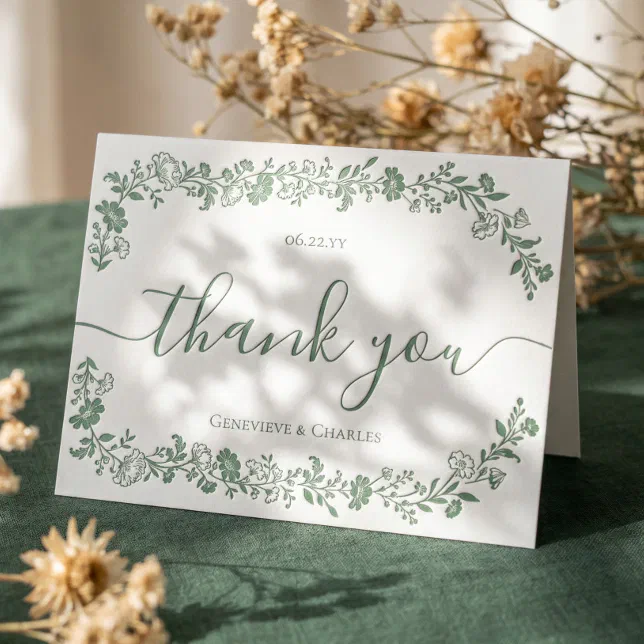
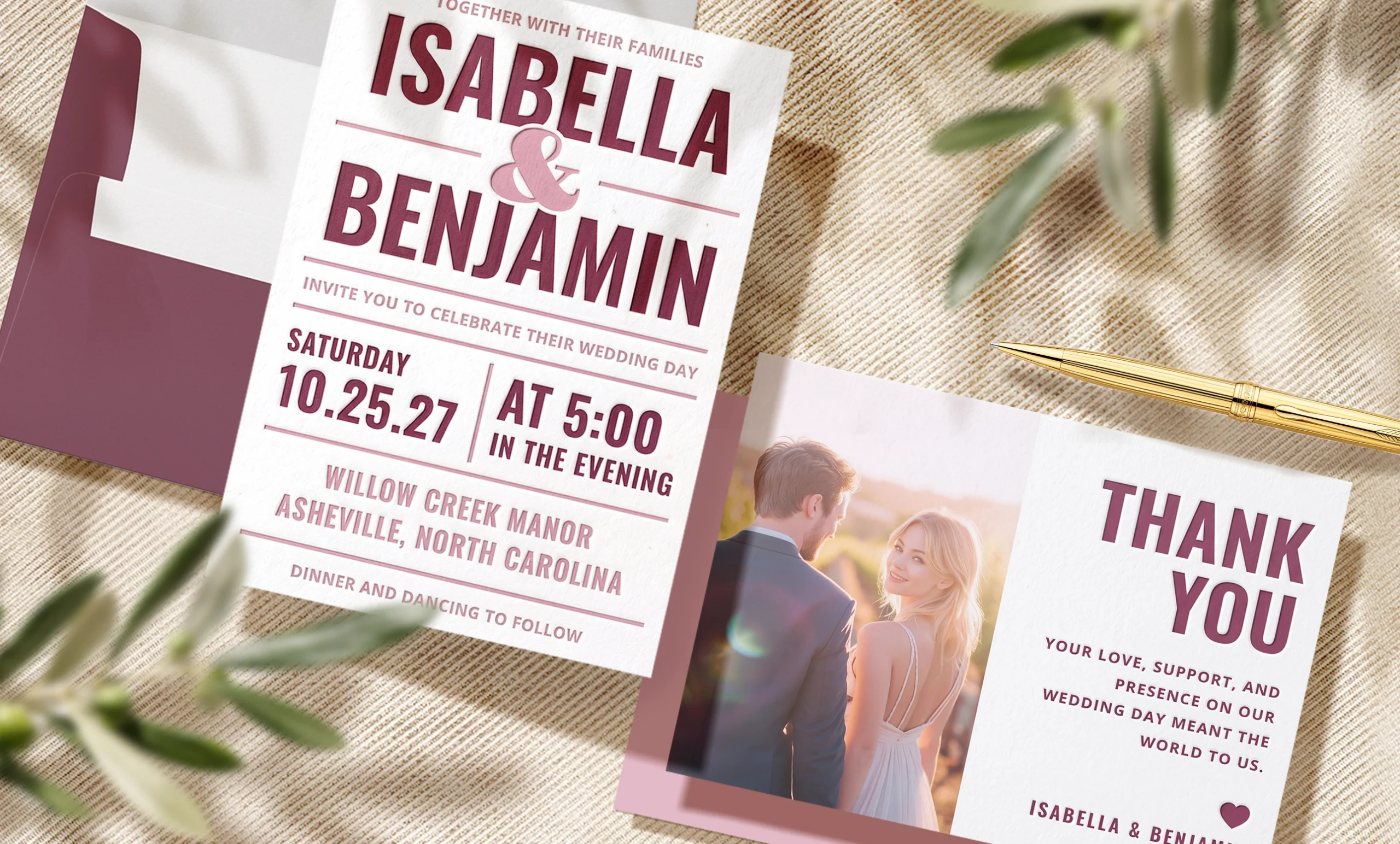
Letterpress Folded Thank You Cards
The rich impression and artisanal finish turn a few words of gratitude into a little keepsake worth holding onto.
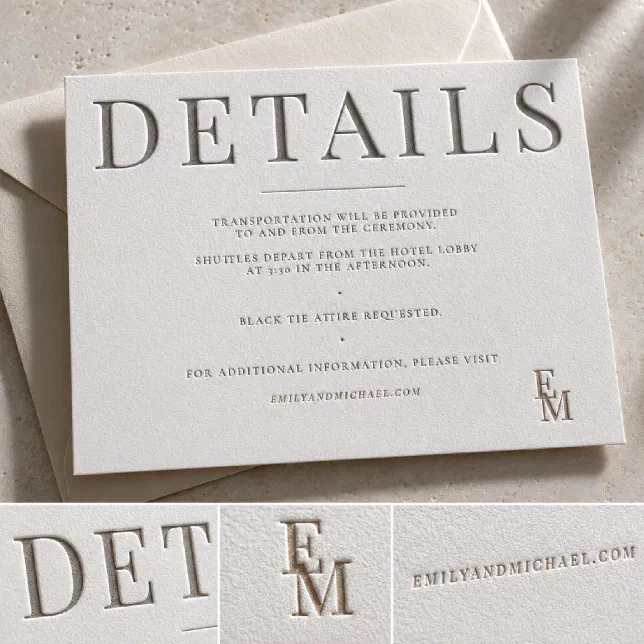
Letterpress Enclosure Cards
Share the where and the when with real style. From travel tips to weekend plans, letterpress adds character while keeping everyone in the loop.
You can also use these base products to create letterpress Christmas cards, Save the Dates, quinceañera invitations, business cards, and postcards. The possibilities are wide open, so have fun with it.
How Does Letterpress Printing Work?
Every stage of the letterpress process shapes how the final piece looks and feels. Here’s a peek at how your design travels from a digital concept to something you can hold, right here at Zazzle.
1. Create Your Design
Every letterpress project starts with a design, whether that’s a simple monogram or a mix of letterpressed text and digitally printed photographs. The letterpress elements are refined and converted into a printing plate, which transfers your design to paper.
2. Prepare the Press
Once the design is ready and our team has checked every detail of your custom artwork, the plate is mounted on the press and aligned for your selected card type. Ink is applied, the thick premium stock is loaded, and everything is positioned for production.
3. Print the Design
The press applies pressure to the plate, pushing the inked design into the paper to create that signature impression. Each sheet passes through one at a time, which is exactly why every finished piece feels a little special.
Design Considerations for Letterpress
Knowing how the process behaves helps you create artwork you’ll truly love once it’s in your hands. Here are a few things worth keeping in mind.
Fine Details
Delicate illustrations and small designs can look beautiful in letterpress. Because the process is handcrafted, minor variations can occur from piece to piece, and that’s part of its charm.
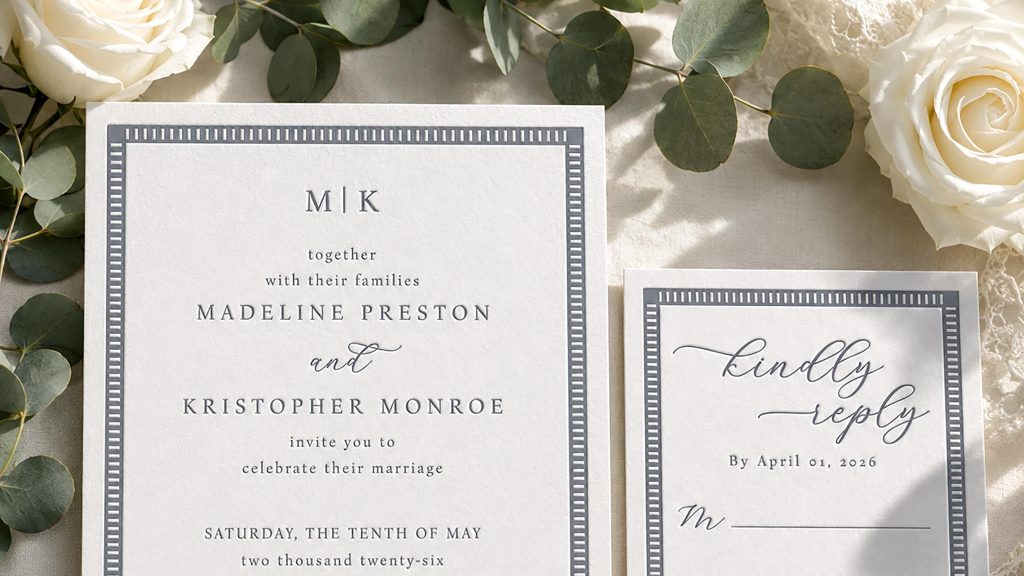
Element Spacing
Give your artwork room to breathe. Overlapping elements, or pieces placed too close together, can look less defined once printed.

Solid Areas of Ink
Large blocks of color can show slight variation in coverage, known as mottling. For the cleanest, most consistent result, it helps to keep large solid areas to a minimum.
Photography and Gradients
Letterpress is best suited to bold graphics, typography, and line work. Subtle gradients and fine tonal transitions won’t reproduce as accurately as they would in digital printing, which is exactly why we offer the option to combine the two at Zazzle.
Typography Choices
Clear, well-spaced type produces the strongest result. Larger typefaces with generous letter spacing work especially well. Heavily distressed or textured fonts can be harder to reproduce, since their look already overlaps with the letterpress finish.
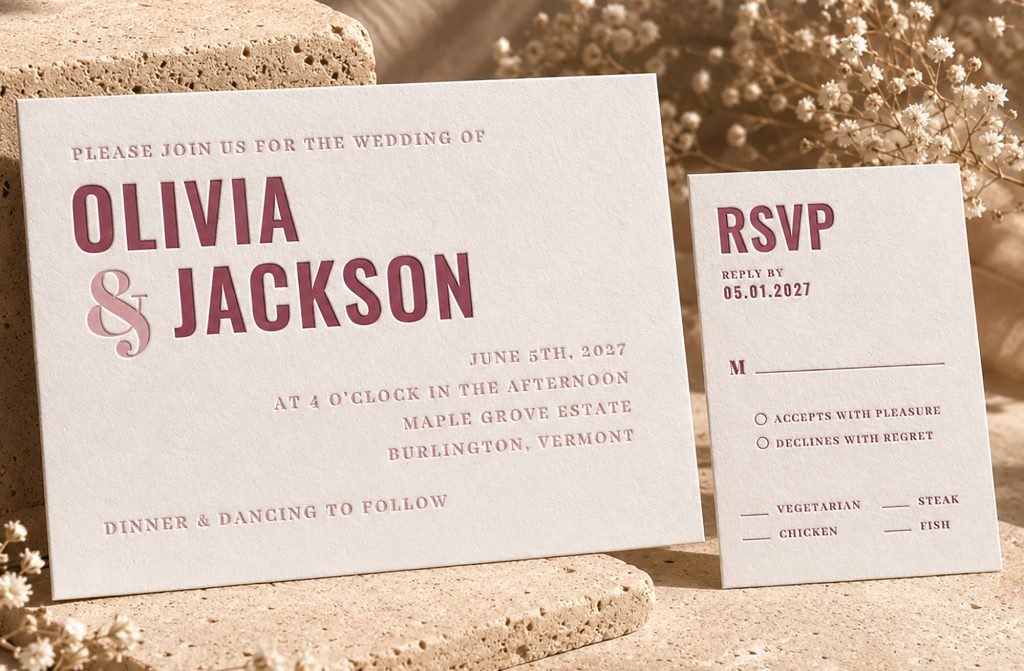
Color Selection
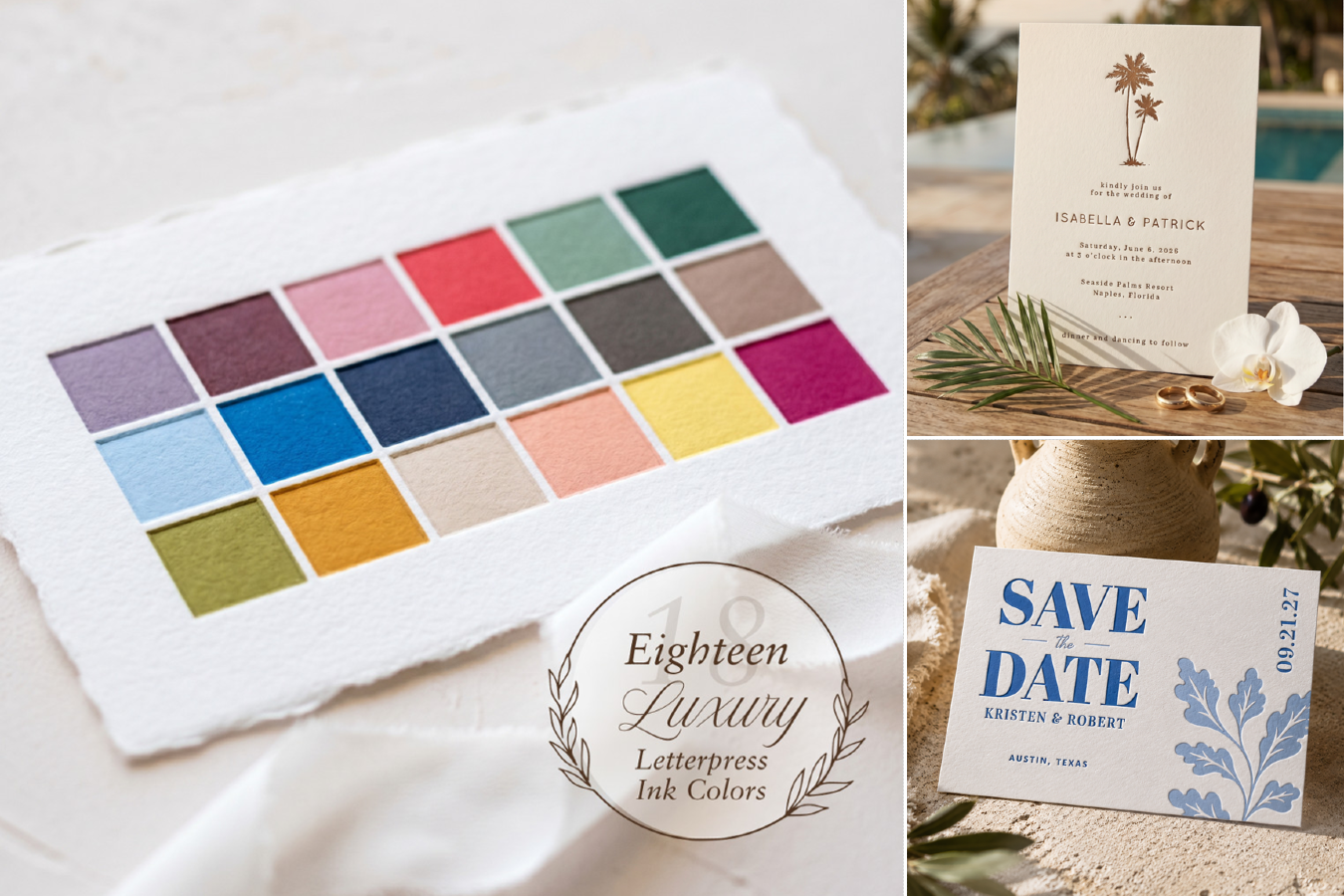
We offer a lovely range of ink colors, which you’ll find on the product page for each card. Because letterpress is so hands-on, slight color variation can occur, and we think it only adds to the character of each finished piece.
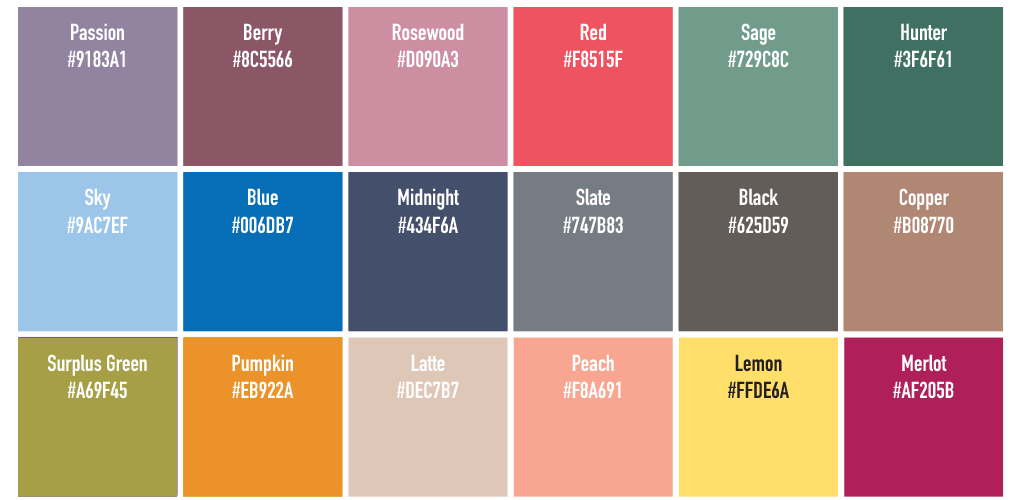
Note for Our Creators: If you’re a Creator, one of the thousands of wonderfully talented people in our design community here at Zazzle, be sure to take a look at your specific design guidelines here!
Benefits of Letterpress Printing
Letterpress has stayed close to people’s hearts for centuries. From Gutenberg’s press onward, it was the most widely used printing method for generations, and it’s easy to see why. It offers an artisanal quality that few other methods can match.
Creates a Memorable First Impression
The raised impression draws the eye and invites people to engage with the piece right there in their hands.
Offers Exceptional Craftsmanship
Every card is made with care, and with that classic, vintage quality you can actually feel.
Delivers a Sensory Experience
Unlike flat printing, letterpress can be seen and felt, with texture that gives your cards real depth and dimension.
Timeless and Elegant
Letterpress brings a refinement that outlasts trends, the kind of stationery you’ll enjoy looking back on year after year.
Ideal for Special Occasions
From wedding stationery to luxury business materials, letterpress suits projects that deserve a little extra care, and its finish quietly underscores how much the moment matters.
Is Letterpress Printing Worth It? Letterpress Printing vs. Digital Printing
We think every printing method has its place, and the right choice really comes down to your goals.
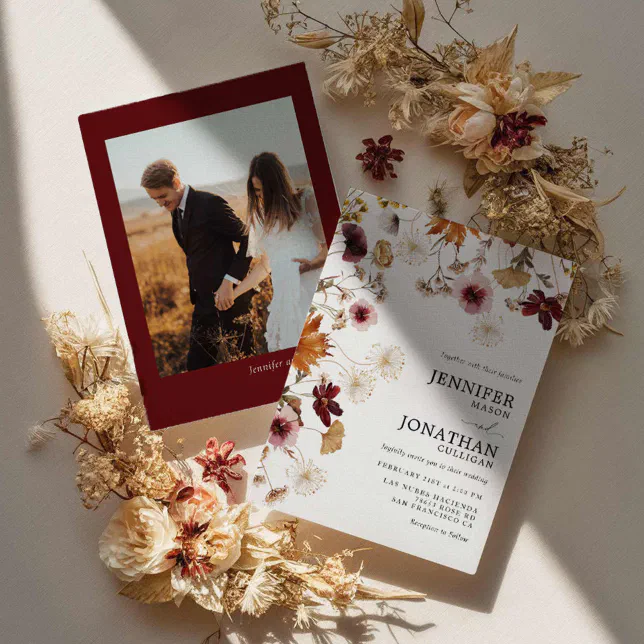
Digital Printing
Usually the more economical option, digital is well suited to larger quantities, shorter turnaround times, and designs with lots of photography or complex graphics. It’s flexible and a reliable go-to for most printing needs.
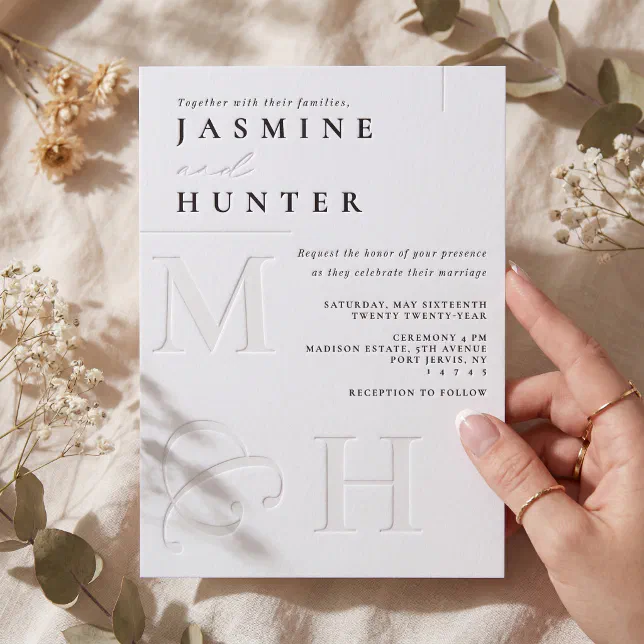
Letterpress Printing
Letterpress leads with craftsmanship. The debossed impression, premium feel, and attention to detail set it apart. It generally calls for a larger investment and a longer turnaround, and many people find the result more than worth it.
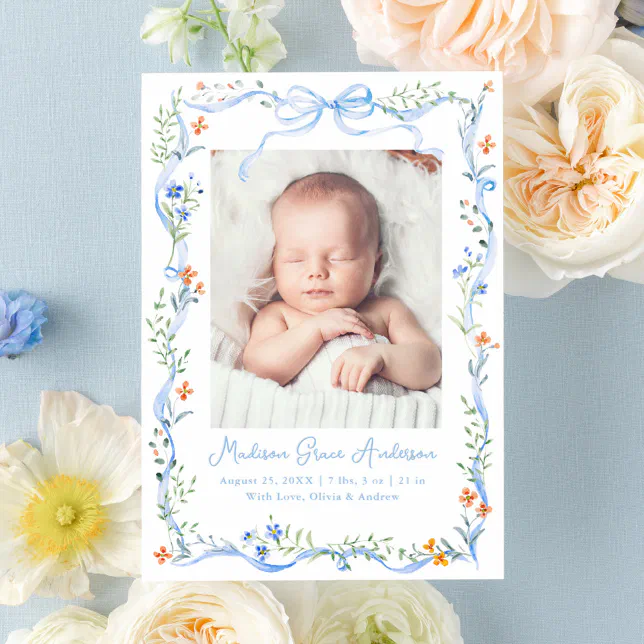
The decision is yours, and there’s no wrong answer. When quality, individuality, and the feel of the finished piece matter most, letterpress is hard to beat. And the good news is you don’t have to choose at all. You can have the best of both with Zazzle’s combination printing options, including our letterpress photo cards.
Frequently Asked Questions
Can you print multiple colors with letterpress?
Yes. Each color is printed separately, in its own stage of the process, so multi-color designs come out with clean, lovely detail.
Is letterpress environmentally friendly?
It can be, and we’ve leaned into that at Zazzle. Letterpress favors quality and longevity, and it’s an especially sound choice when paired with FSC-certified and recycled paper stocks, eco-friendly inks and coatings, and on-demand printing.
What paper works best for letterpress printing?
Our Signature White Cotton paper is made for premium letterpress. Its rich cotton texture and substantial weight create the deep, tactile impression that suits timeless, heirloom-quality designs.
What is another name for letterpress printing?
Letterpress is also called letterpressing or relief printing. Both describe the same lovely idea: a raised surface pressing ink into paper.
What kinds of designs work best with letterpress printing?
Clean layouts and well-defined elements print best, which makes letterpress a wonderful fit for typography, monograms, clear illustrations, logos, line art, and other minimalist designs. For a little inspiration, take a look at the letterpress designs from Zazzle Creators.
At its heart, letterpress brings together depth, texture, and personality in a single card. Its premium finish and quiet charm make it a beautiful choice for life’s important moments. It’s so much more than ink on paper. It’s a piece made to be seen, felt, and remembered for years to come.

Lily is a Content Specialist at Zazzle from Galway, Ireland. Before she could even walk, she was begging her parents to read her fantastical stories filled with great adventures. To this day, just give her a cup of tea and a good book to cozy up with, and she will be happily lost for hours! If she doesn’t have her nose in a book, then she will probably whipping up something delicious in the kitchen for her friends and family, or, negotiating with her house plants to stay alive.
Read more from Lily.