Compared to some of the other articles we’ve published recently on Zazzle Ideas – like updating your summer wardrobe or throwing a bachelorette party – mountain climbing is considerably more demanding. Even a short hike requires a certain level of physical fitness and high-quality equipment. Nevertheless, the promise of adventure and the prospect of National Mountain Climbing Day on the horizon has inspired even the least sure-footed members of our team to explore the topic, and to log our thoughts and findings here.
The main point we have to make about National Mountain Climbing Day – otherwise known as August 1 – is that you don’t have to be Sir Edmund Hillary to take part. Mountain climbing is a daunting venture, so you should begin by gradually exposing yourself to the wilderness – by planning a camping trip, for example, or by attempting to cross the country while backpacking. You could even eschew mountaineering altogether, and aim instead to overcome some personal obstacles – metaphorical mountains, if you like. But for those who are interested in learning more about the great outdoors (and about the background to this little-known holiday), we’d love you to read on.
All together now: “Climb ev’ry mountain! Ford ev’ry stream!“
What Is National Mountain Climbing Day?
On August 1, 2015, friends Bobby Matthews and Josh Madigan completed their 46th climb in Adirondack Park, making them part of the exclusive 46ers: a coterie of hikers and mountain climbers that have successfully reached the summit of all 46 Adirondack peaks. To commemorate their achievement, and to encourage other would-be explorers, Matthews’s father christened August 1 as National Mountain Climbing Day. Not much else is known about National Mountain Climbing Day, except that it falls within a month filled with other alpine holidays: August 11 is Mountain Day, and National Climb a Mountain Day is on July 30.
The history of mountain climbing itself stretches back rather far, however (appropriately). According to Britannica, mountaineering wasn’t pursued as a sport or leisure activity until the 18th century, when “natural philosophers – the scientists of their day – began making field trips into the Alps of Europe to make scientific observations.” The first recorded instance of a mountain being climbed in a contemporary sense was in 1760, when Genovese scientist Horace-Bénédict de Saussure offered a reward to whoever could climb to the top of Mont Blanc (15,771 feet). Prior to these exploits, however, mountains were ascended purely to make geographical observations or to scout neighboring countryside, and it wouldn’t be until the late 19th century and early 20th century that Everest, Kilimanjaro, and Kangchenjunga would be successfully conquered.
How to Celebrate National Mountain Climbing Day
If you’re starting to feel that the air is getting thin already – simply by reading those figures and the names of those legendary locations – well, don’t be daunted! Again, National Mountain Climbing Day isn’t about immediately tackling the steepest slopes in the U.S. There are other ways to acclimate yourself to the thought of mountain climbing (or to simply enjoy the great outdoors while on level ground). Read on to find more highlights.
Take Up Hillwalking
Hillwalking might seem like a rather subdued alternative when compared to climbing literal mountains, but you’d be surprised at how close the two activities actually are. Mountains aren’t completely vertical, so scaling them also involves long stretches of walking at an incline. By practicing on well-worn trails, in a more familiar setting, you can get yourself into peak performance. You can even take hillwalking tours or join hillwalking groups to elevate the experience!
Get Backpacking
Backpacking is related to camping, incorporates hiking and hillwalking, but also constitutes its own distinct pursuit. When backpacking, you hike to a destination, set up camp, and then move onto another location the next day – relying solely on what you can carry in your backpack rather than on a luxury RV or well-equipped campground. Learning to make do with only the essentials and to withstand the elements will be good training for that mountaineering adventure!


Go Camping
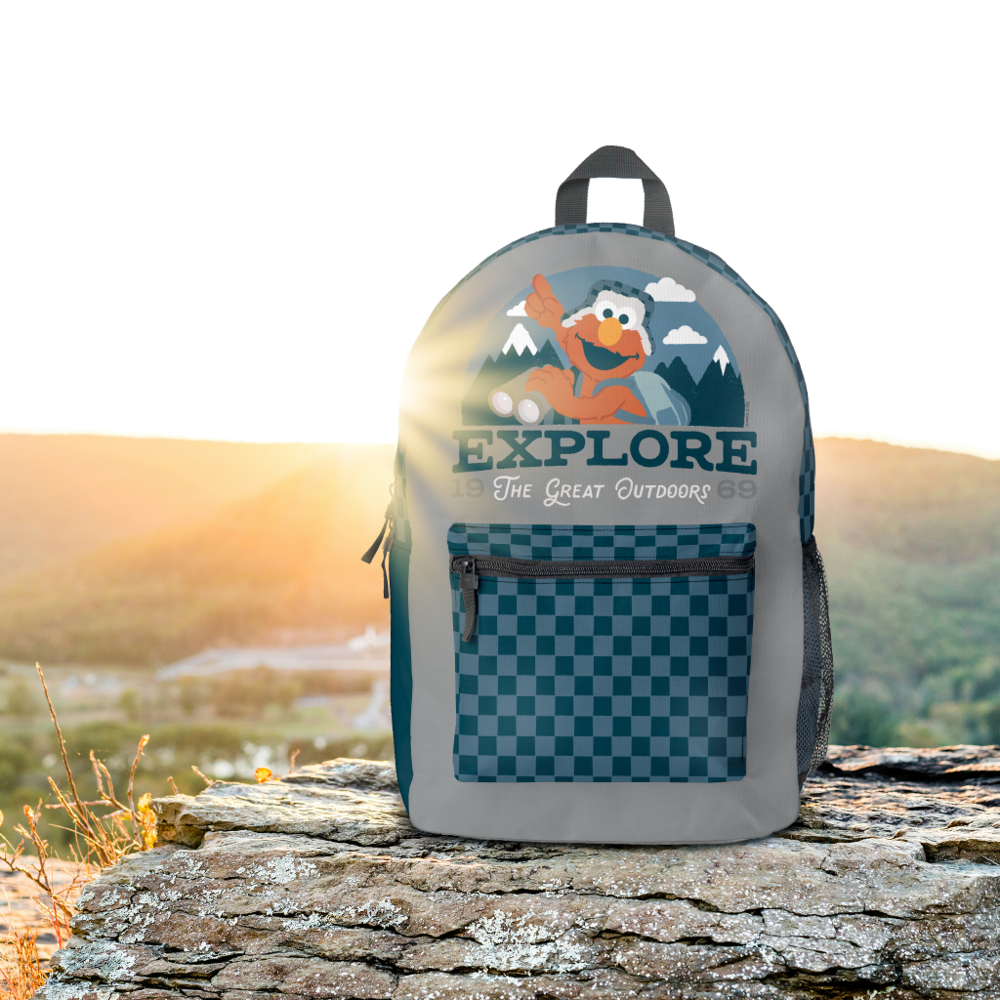
Unless you’re smack dab in the middle of the wilderness, camping can be more glamorous than backpacking, hiking, or hillwalking (especially if you’re ‘glamping’). Nevertheless, the prospect of reconnecting with nature, disconnecting from technology, and learning new skills means it has much in common with full-on mountaineering. An extensive climb, after all, will require you to pitch a tent several times! For more information on camping, courtesy of the park rangers at Zazzle Ideas, check out these articles: “Backpacking vs. Camping: Which Is Right for You?” and “The Differences Between Camping and Glamping.”
Head to the Gym
In order to undertake any of the activities we’ve described above, you do need to be in good physical shape (and for mountaineering, which is particularly demanding on your arms, hands, and legs, even more so). And therefore, while it might not be the most luxurious way to spend the last weeks of summer, we think working out at the gym, attending a fitness class, or exercising at home are excellent preparation for your outdoor adventures. Even yoga or Pilates can be a good way of heightening your flexibility, as Worldpackers points out.
Sign Up for a Mountaineering Course
Finally, if you’re determined to reach new heights this August 1, then why not consider registering for a mountain climbing course? A skilled instructor will introduce you to the correct techniques, best equipment, and even rescue strategies, in the event of an emergency. Your guide will begin with slight, low-altitude climbs, but the most advanced courses take in route planning and glacial terrain. In terms of recommendations, we think the Alpine Ascents School represents the pinnacle of mountaineering training courses, and caps off our list.

Top 10 Essential Mountain Climbing Tips
Are you reading this article while you’re standing, legs trembling and lips quivering, at the bottom of El Capitan? Then here are our last-minute reminders to you before you begin your ascent. Perform the following checks now, and there won’t be a risk of having to abandon the trek a couple of hundred feet in the air. Screw your courage – and your climbing ax – to the sticking place, and godspeed!
Plan your route.
You can’t prepare for every eventuality, but to prevent yourself from getting lost or coming across any dangerous areas, chart your route ahead of time. Research the area, consult other climbers, and bring a map – you can’t bluff this.
Check the weather.
Hiking up a mountain in dry, calm weather is completely different from trying to climb in the rain, when footholds are slippy and visibility is poor. Wear waterproof clothing, and aim for a day that isn’t too hot or cold, as either extremity can make your ascent more challenging.
Ensure you’re wearing proper footwear.
Regardless of whether you’re free climbing in the Andes or exploring a local nature reserve, having sturdy boots that protect your feet is a must.
Purchase proper equipment.
Don’t worry, we understand that the price of those professional-quality crampons may be enough to put you on edge, but if you’re committed to making climbing a hobby, then it’s worth investing in high-end equipment.
Stay hydrated.
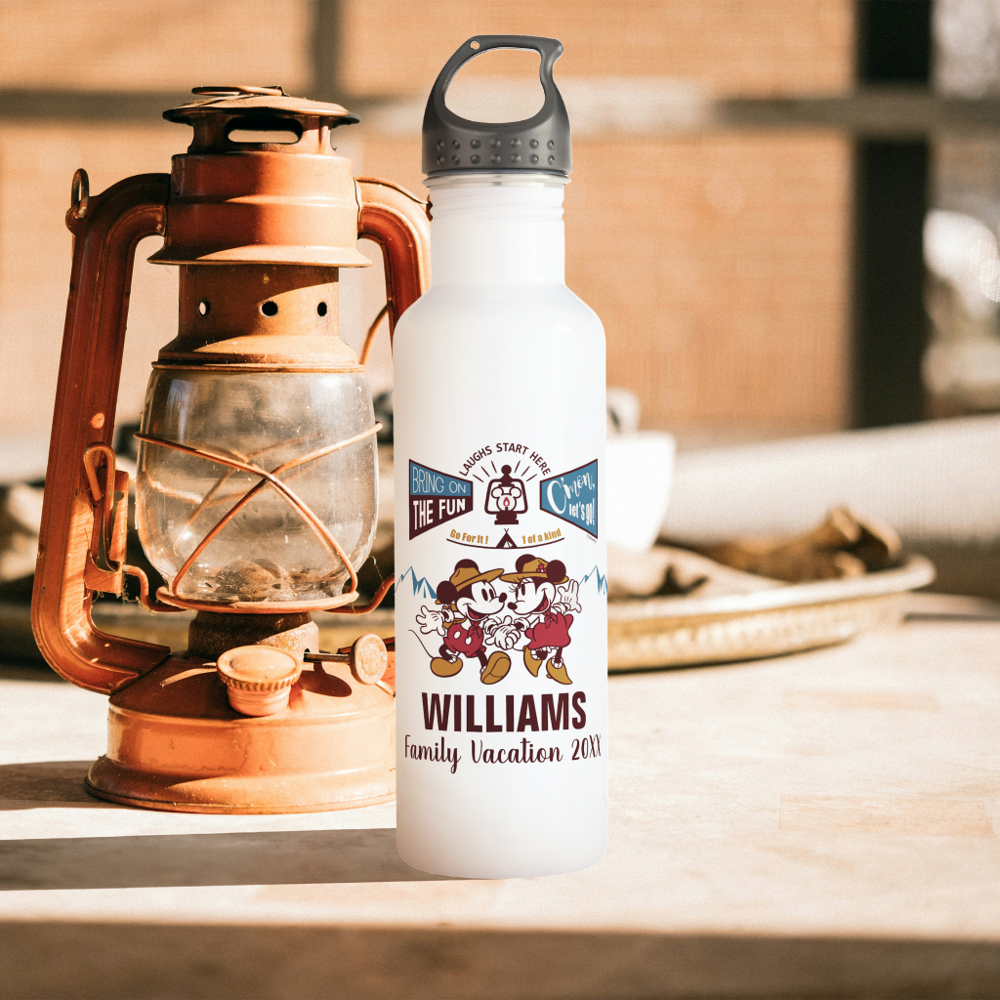
Any activity, but especially activities at high altitudes, can cause you to become dehydrated. Equip yourself with a well-made water bottle to replenish your electrolytes and improve your performance.


Take your time.
While it can be tempting to aim for a record time, the slow, scenic route is by far the better option. At each break and outpost along your climb, take care to admire the vistas around you – some of which might not have been seen by many people at all, depending on the mountain.
Travel in groups.
This isn’t always possible, but traveling with others is not only safer, but it’s more fun, too! Motivating each other to reach the top and push past ‘walls’ will make the whole experience much more enjoyable.
Bring a means of communication.
Yes, at high altitude, it’s unlikely that you’ll be able to get a signal – but a phone and a wireless charger at full power are still worth carrying, just in case. Even on a gentle hike or nature trail, staying in touch with base camp will keep you from veering off the beaten track.



Tell people you’re going.
Make sure your friends, family, and the local authorities – those park rangers we mentioned earlier, for instance – know where you’re going and when you plan to be back. Then, if disaster strikes and you don’t return when you’re supposed to, they can sound the alarm.
Turn back!
If things don’t proceed as planned and the path seems more treacherous than you thought, there’s no shame in turning back and heading for home. You can learn from your mistakes and resume the climb another day!
Mountain climbing can be a thrilling experience, but it isn’t for everyone. If you’d rather spend the rest of your summer – and of National Mountain Climbing Day – engaging in a more sedate activity, then take a look at our at our articles on “25 Indoor & Outdoor Summer Activities for Kids” and “Ways to Mark the End of Summer (Before School Starts).” Otherwise, don’t leave us hanging – do you have any experience of mountaineering (or of bouldering, or backpacking, or hiking)? Let everyone know in the comments below!

Eoin is a Content Specialist at Zazzle in Cork. He’s recently bought a house with his fiancée, and thus most of his time these days is spent trying to keep the walls from caving in and the wolves from the door. Still, he’s always open to book, game, and movie recommendations, so if you have some, let him know: he’ll add them to a very, very long list.