Believe it or not, holiday card etiquette isn’t actually the be-all and end-all (yes, despite this being an article on the subject). Designing, addressing, and sending holiday cards is a fun and fulfilling way to express your creativity and personality. A card that arrives in the Christmas-to-New Year limbo, or that carries a rogue apostrophe or two, can still make someone’s day.
That said, good holiday card etiquette is a nice touch, showing attention to detail and an extra layer of polish. Below, we’ve listed some of our best tips for ordering, mailing, and even punctuating your holiday and Christmas cards. Don’t worry if, in light of these instructions, you realize you’ve committed a grammatical faux pas or two in the past. There are no marks being docked here for spelling mistakes or odd plurals; getting these details right is just a bonus!

Using Apostrophes Correctly
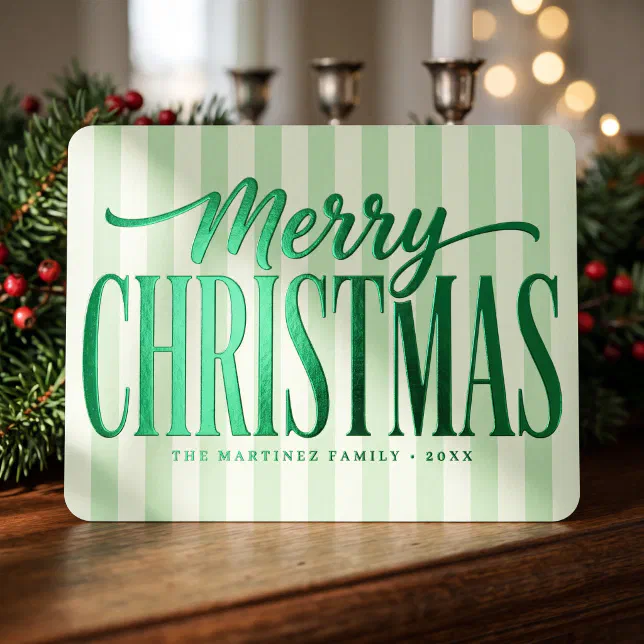
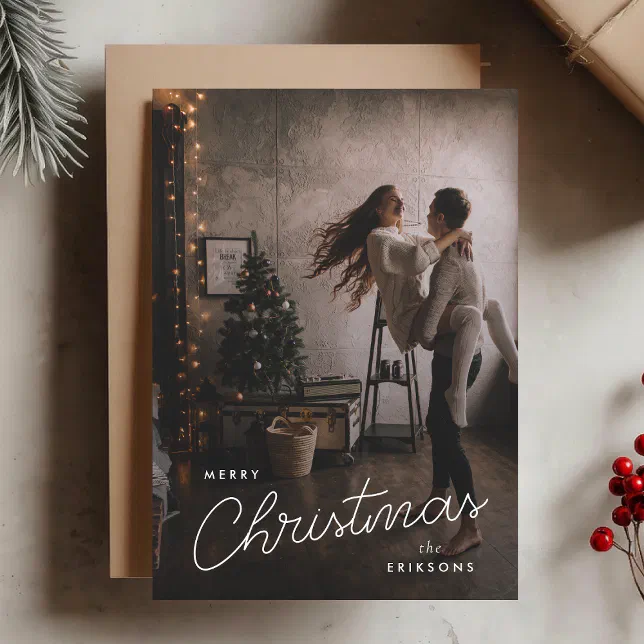
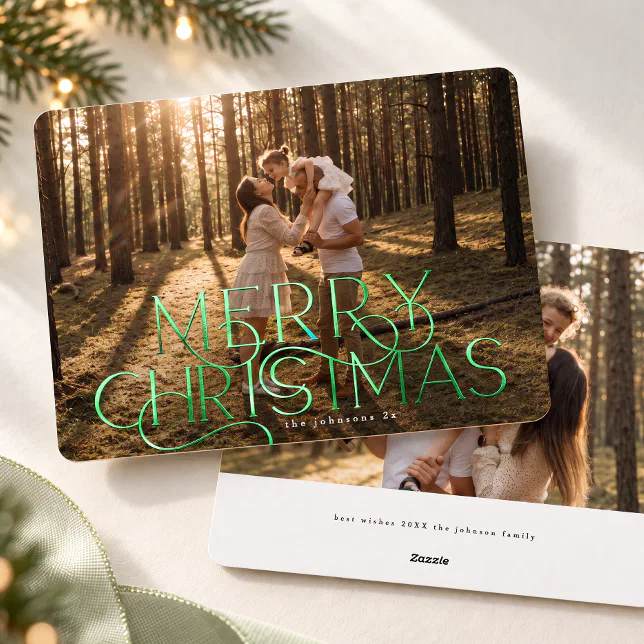
Apostrophes cause some people to fret, and in their panic to place them correctly, they end up adding them where they’re not needed. The most common error is referred to as the greengrocer’s apostrophe, so called because of signs that incorrectly sell “apple’s, orange’s, and banana’s.” Equally, if you write “The Johnson’s” in your holiday card, then you’re implying ownership; that something-or-other belongs to this family. The correct format is even easier than that: just leave out the apostrophe and add an “s” with no other characters, i.e., “The Johnsons.”
Making Words Plural
Making a singular name like “Johnson” plural is fairly straightforward: you just add an “s” to indicate that this family has more than one member. But what if the surname already ends in “s,” or one of those seldom-used letters at the end of the alphabet, like “x” or “z”? In those cases, “es” has a smoother sound to it, e.g., “The Martinezes,” “The Davises,” or “The Marxes.” This not only makes the plural grammatically correct and less likely to look like a typo, but it’ll be easier to pronounce, too. Apply the same “es” when a name ends in “ch” or “sh,” but if their last name ends in “y,” you can stick to your good ol’ “s” rule, e.g., “The Murphys.”
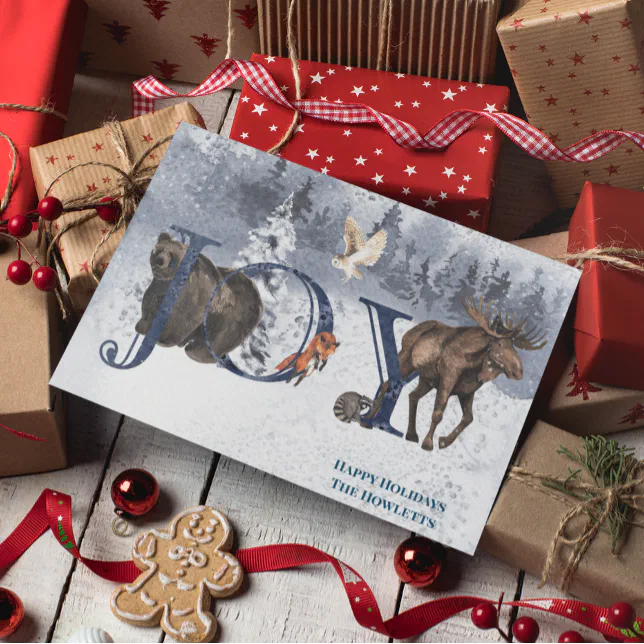
Addressing the _____ Family
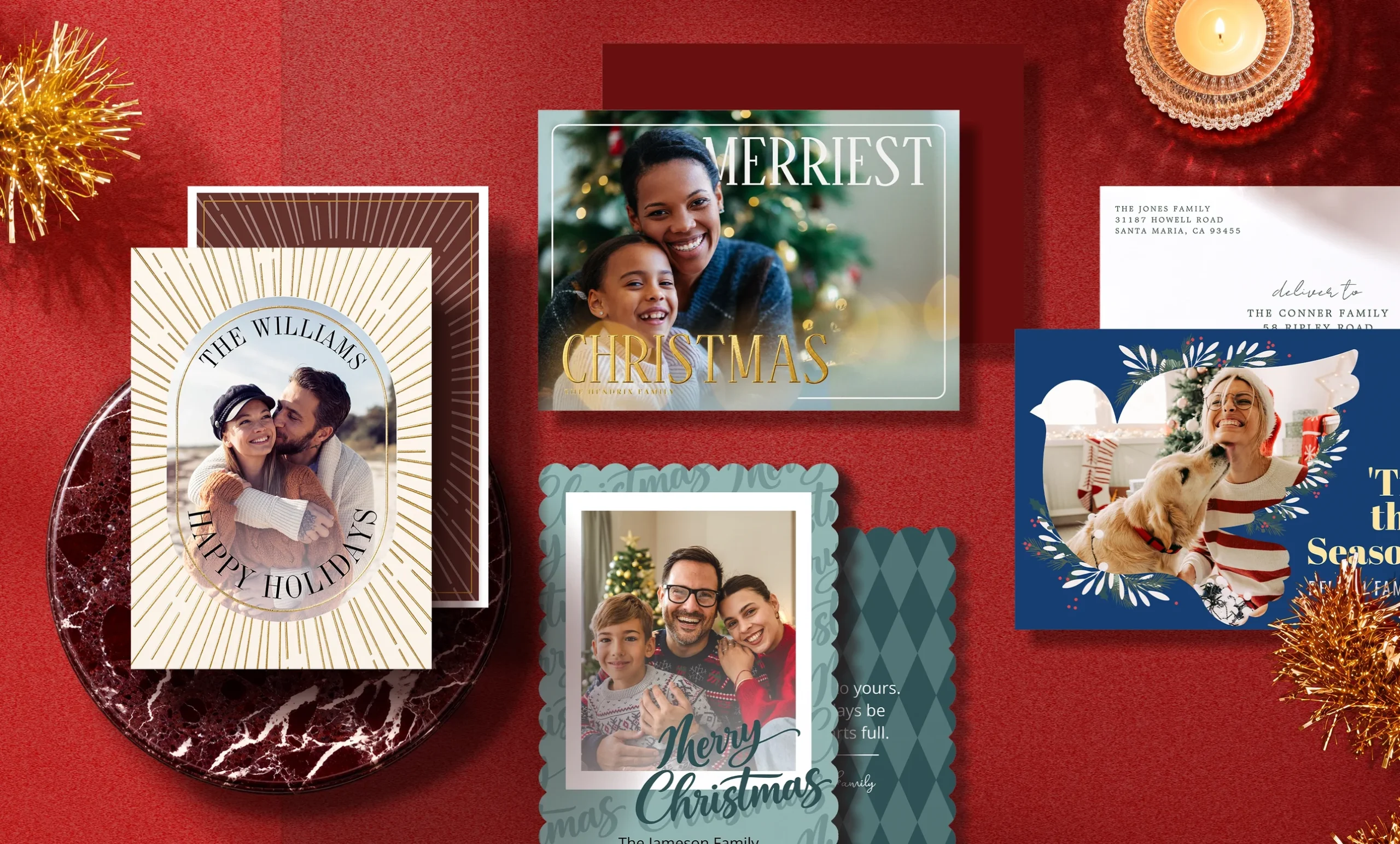
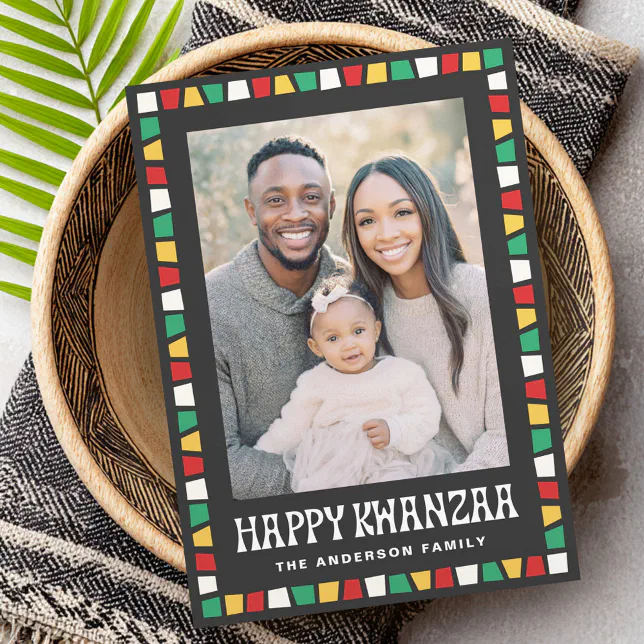
If you’re a little daunted by these rules, then there’s an even easier, safer option. This time, forgo the plurals and apostrophes and just write “The Johnson Family.” Then the name can be written exactly as it’s normally used, and you can repeat the trick on the outside of the envelope (see “Make It Merry: Unique and Creative Ways to Address Christmas Card Envelopes” for more). It’s a universally accepted alternative if you come across any anomalies; just remember to capitalize each word, putting an uppercase “T,” “J,” and “F” in the above example.
Naming Everyone in Order
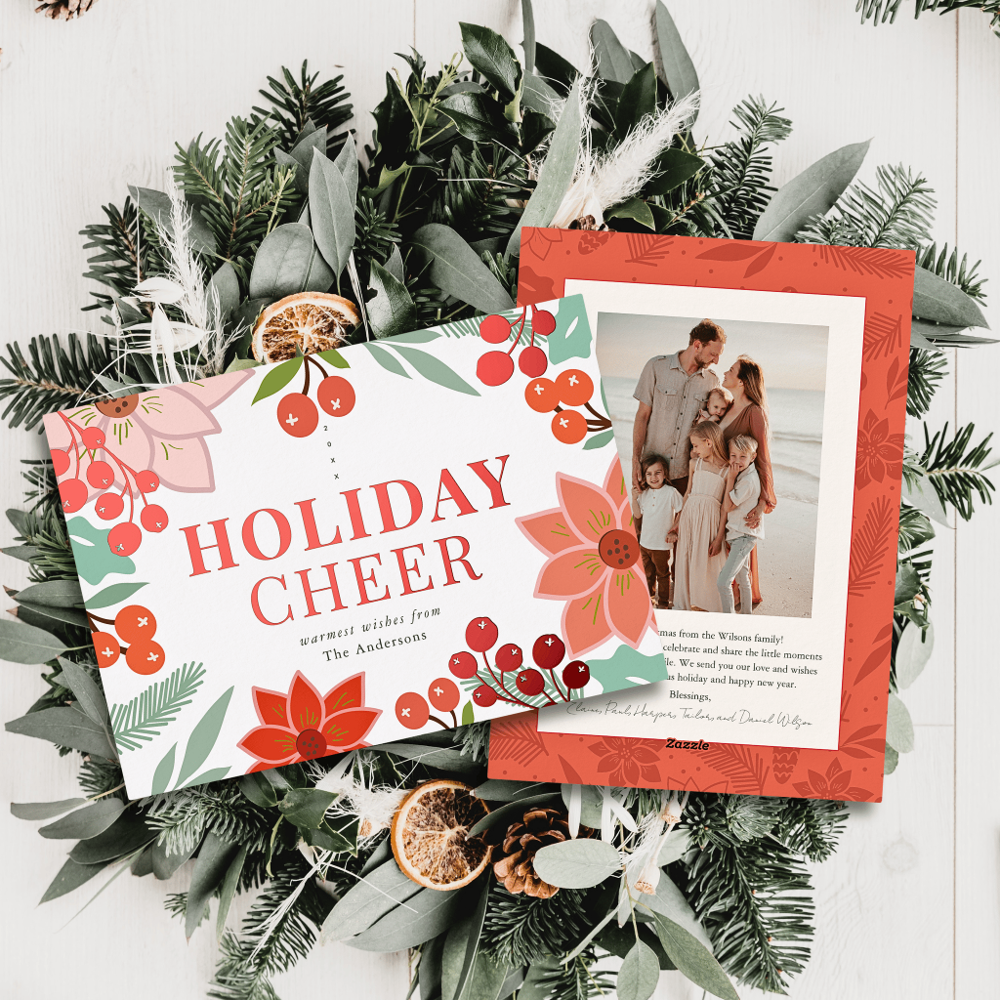
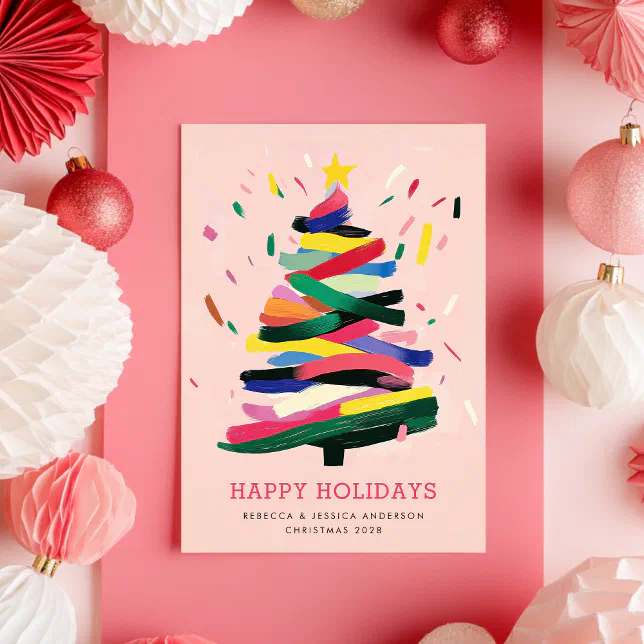
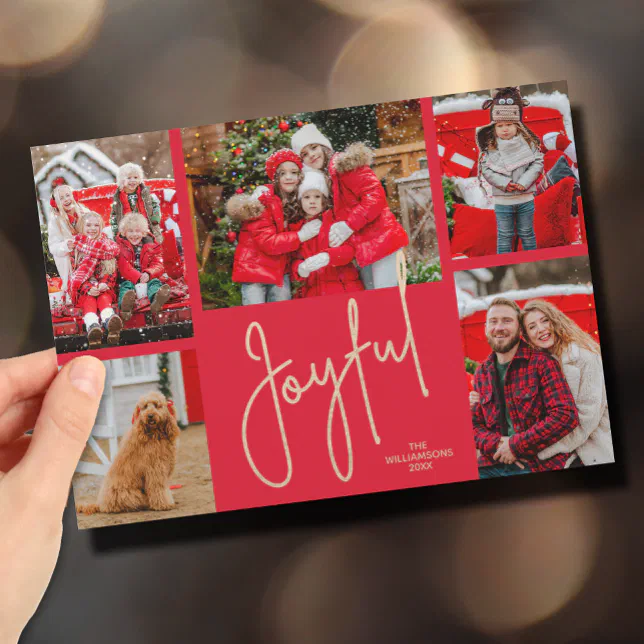
Underneath your holiday greeting, sign off with an up-to-date round-up of everyone in your family: it personalizes the card and encourages the recipient to respond in kind. Lead with the parents’ names in any order, then list the kids’ names from eldest to youngest, and end with the pets, e.g., “From Kevin and Sandra, Matt and Blake, and Sandy too!” This primer removes any guesswork when distant relatives are trying to remember the names of those in the holiday photo. And, if possible, have each person sign their own name: every heart-dotted letter or crayoned-in capital makes the card more distinct.
Including the Year
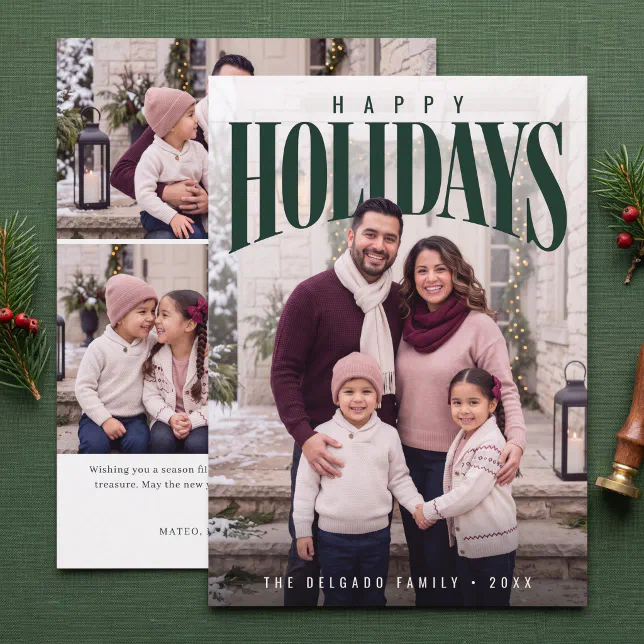
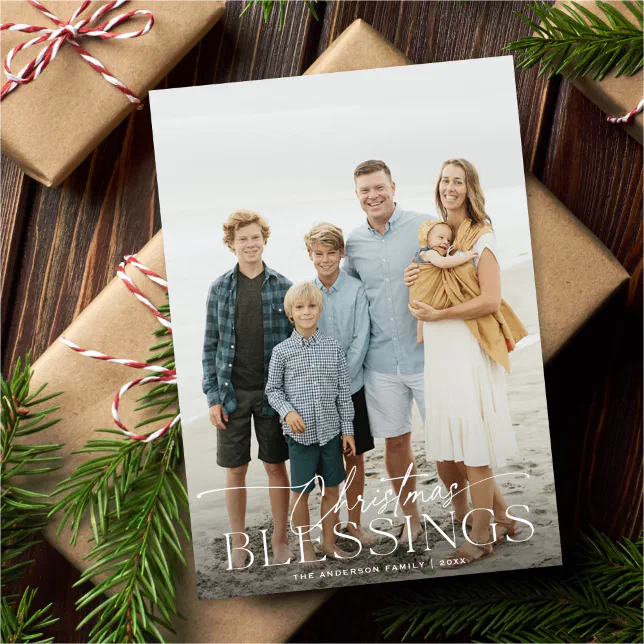
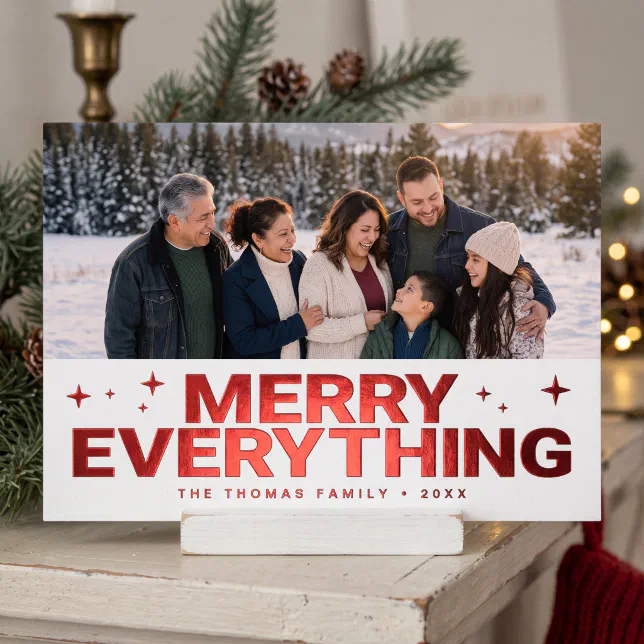
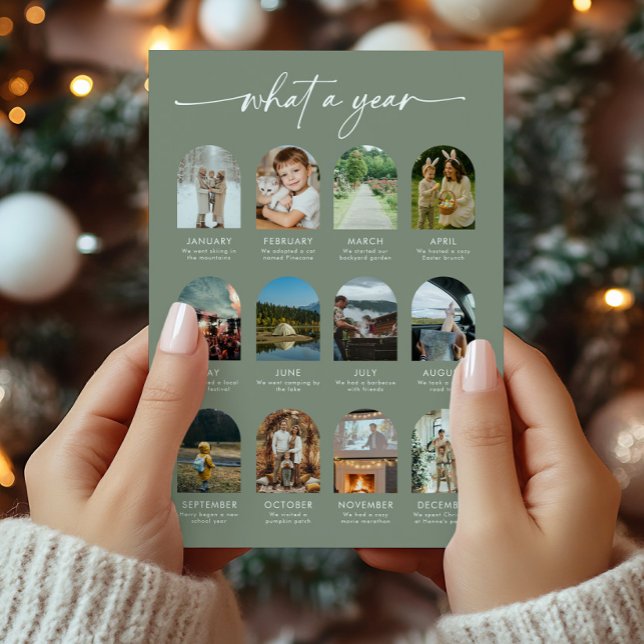
Have you ever wondered why people add years to their holiday cards? It’s not like anyone needs a reminder we’re heading into the space-age-sounding year 2027. Nevertheless, including the date is an etiquette tip that will pay off in the future, as it turns your card and holiday envelope into a keepsake people will return to for years to come. Combined with a year-in-review newsletter, annual holiday cards are a kind of time capsule for your family’s experiences (and an opportunity to remark how tall the kids are getting, as relatives poring over the photos will surely do). “2026” is clearest, but ” ’26,” with an apostrophe included this time to denote two removed characters, is also acceptable.
Choosing the Right Photo
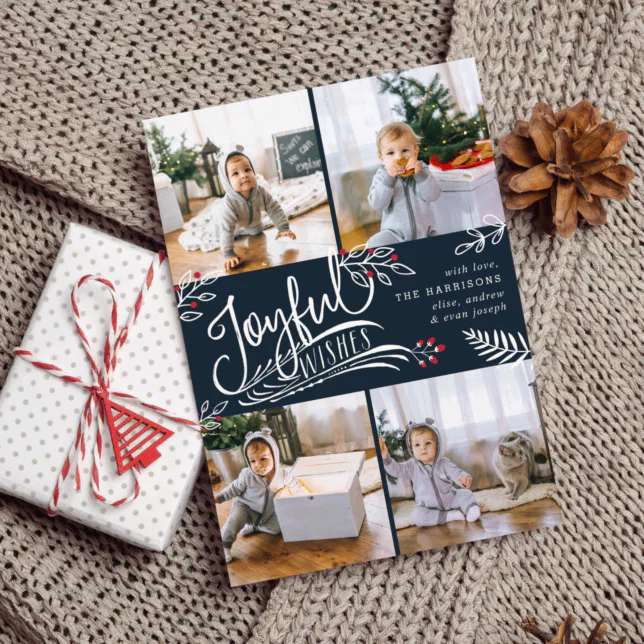
Although it’s temptingly easy to trawl Instagram for photos to use on your cards, bear in mind that these images are always compressed to load quickly, so they often look blurry in print. For better results, we recommend using your own camera roll or gallery app – or, if your budget allows, hiring a professional to stage a photoshoot. They’ll be able to secure the best-quality photos for your cards, deliver the prints or files in any format you want, and perhaps even inaugurate a new yearly tradition (as per our article on “Holiday Traditions for a New Era“). If the family can’t decide among a few contenders for the holiday photo you use, choose a template that features a collage and use them all!
Knowing What to Write
Other than the photo, the most important aspect of your card is the message or greeting – usually a headliner on the front cover (“Happy Holidays!”) followed by more detailed wording inside (“Warmest wishes for a Merry Christmas and a Happy New Year“). Think about the ‘vibe’ and audience of the card before you finalize anything: is this a tongue-in-cheek postcard for your friends, a classic Christmas greeting headed for your parents-in-law, or a work-appropriate thank you for your colleagues? If you want to err on the side of caution or accommodate people from other traditions, phrases like “Peace, Love, and Joy” are always welcome. And if you really want a word-perfect verse, keep our “What to Write in a Christmas Card” article close at hand.
Deciding How Many to Order
Deciding on a quantity seems like a simple task, doesn’t it? A quick, on-your-fingers count will probably tell you how many households are in the mix, and, just for context, families typically order between 50 and 100. Adding a couple of spares to your cart is wise, however, in case someone you hadn’t accounted for suddenly shows up, or as an emergency backup if you used an outdated address or smudged some ink. Equally, if you’re a business owner, having extra corporate holiday cards on hand for a late-in-the-year hire or seasonal client will pay dividends later.
Sending Your Cards
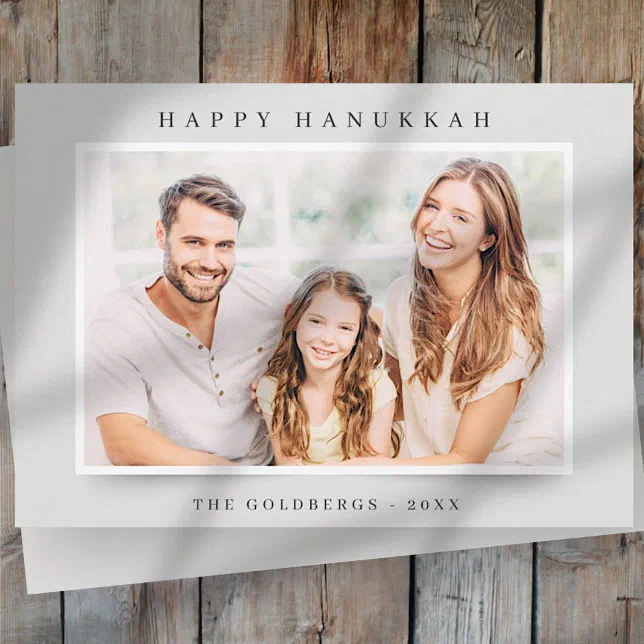
When to mail your cards depends on the holiday you’re celebrating. Diwali comes well before Hanukkah, for example, and Kwanzaa takes place at the end of the year. For general holiday greetings, though, you can start sending as soon as the leftovers are put away on Thanksgiving; Black Friday and Cyber Monday are the perfect opportunities to place your order, too. If you misjudged your schedule or a busy social calendar set you back, aim for New Year’s cards instead. They’re just as welcome, and another round of cards actually helps to prolong the joy of the holiday season that little bit longer.

All good things must come to an end, of course, including this article. But now that you’ve mastered holiday etiquette, stay tuned for our next article on the advantages of holiday cards, which might give you that added incentive to finalize your purchase. And if we’ve got you in the mood for designing and personalizing your cards, take a look at our guides on “How to Make Your Own Christmas Cards” and “Christmas Card Ideas: Wrapping Your Heartfelt Holiday Wishes Up in a Bow.” What’s the most memorable holiday card you’ve ever received, and what’s the one etiquette rule you always follow? Let us know in the comments below!

Eoin is a Content Specialist at Zazzle in Cork. He’s recently bought a house with his fiancée, and thus most of his time these days is spent trying to keep the walls from caving in and the wolves from the door. Still, he’s always open to book, game, and movie recommendations, so if you have some, let him know: he’ll add them to a very, very long list.