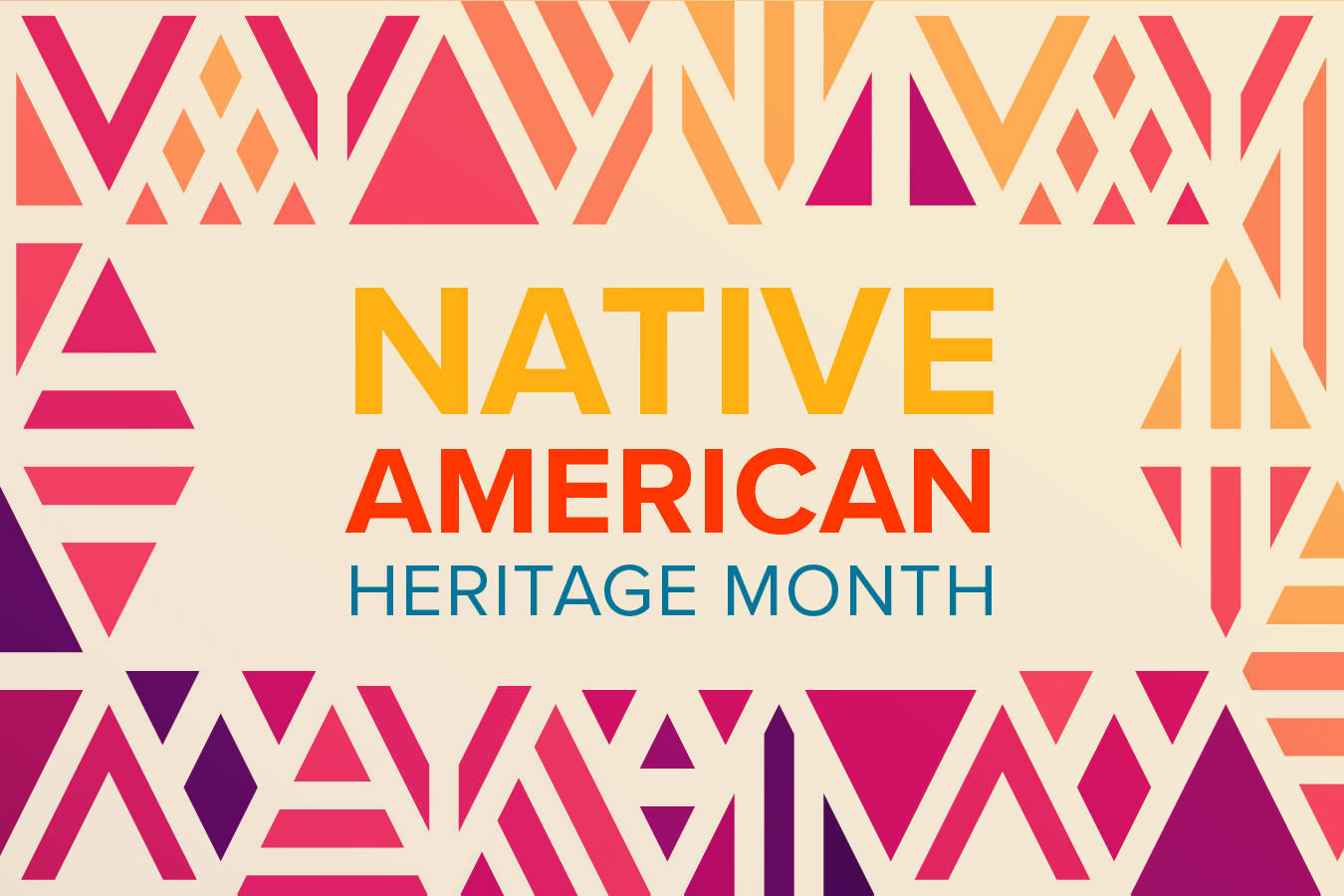
November is National Native American Heritage Month, and Zazzle would like to take this opportunity to celebrate the culture, creativity, and contributions of indigenous people. Despite their historic struggles for land, citizenship, and adequate federal funding, the Native American population continues to endure in the U.S. Between 2017 and 2021, 2.7 million people described themselves as being solely American Indian or Alaska Native (a further 6.3 million people were Native American or Alaska Native in combination with another race, according to the U.S. Census Bureau). Comprising 574 federally recognized tribes, such numbers speak to the diversity of the Native American population – as well as to their resilience.
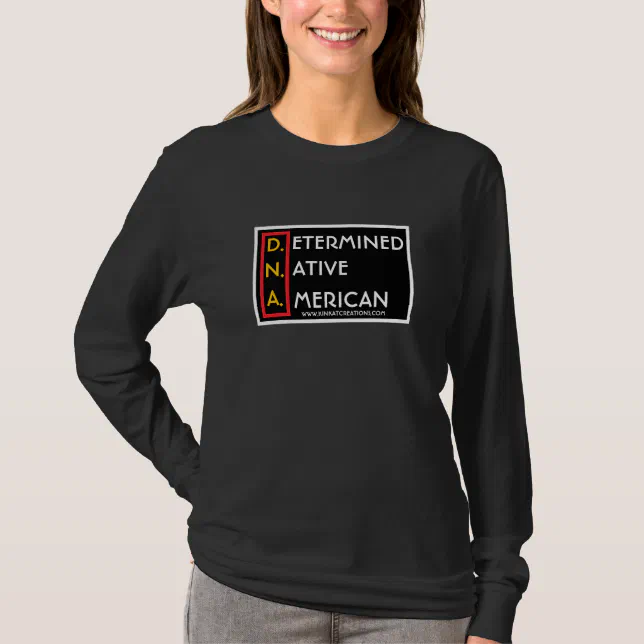
In this article, we pay tribute to the Native American and Alaska Native community in the U.S., acknowledging the profound impact its leaders have had on this nation and the contributions they have made to our culture. In the words of Kinka T. Creations – a member of our community of Independent Creators – “Native American Heritage Month is important […] because everyone deserves to know and share the beauty of art, history, knowledge, vision […] of Native Indigenous people.”
When Did Native American Heritage Month Start?
Efforts to introduce a Native American Heritage Month began in the early twentieth century. In 1911, Dr. Arthur C. Parker, an archaeologist, historian, and Seneca Indian, persuaded the Boy Scouts of America to set aside a day for honoring Native Americans. ‘American Indian Day’ – as it was known then – ran from 1912 to 1915, when the annual Congress of the American Indian Association formally designated the second Saturday of May for the event. Perhaps they were spurred on by the example of Red Fox James, member of the Blackfoot tribe, who rode over 4,000 miles in 1914, gathering support for a national day.
Although several states held inaugural days in the following years – New York in 1916 and Illinois in 1919 – more progress towards a National Native American Heritage Month was only made at the latter end of the twentieth century. In 1986, Pub. L. No. 99-471 was a resolution “to authorize and request the President to proclaim the week of November 23, 1986 to November 30, 1986, as ‘American Indian Week.’” In 1987, President Ronald Reagan declared a second American Indian Week, and by 1990, President George H.W. Bush had dedicated the month of November “to recogniz[ing] the many outstanding achievements of this country’s original inhabitants and their descendants.” In 2008, the language of the legislation was finally extended to include Alaska Natives.
Native American Figures from the 20th Century
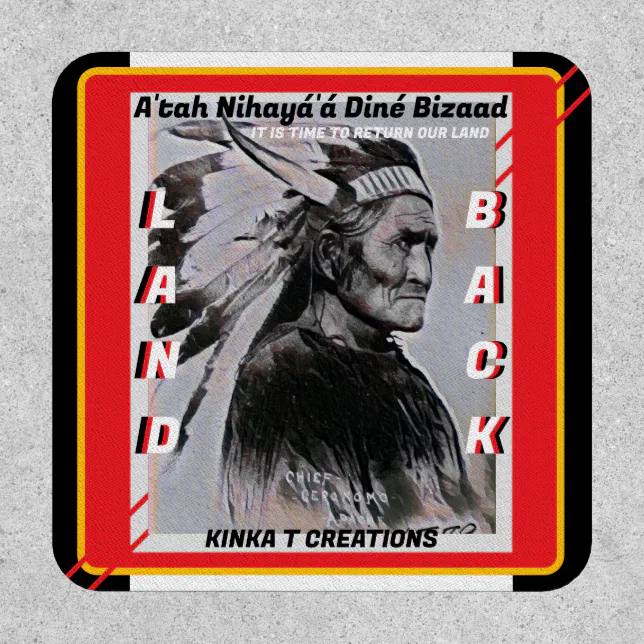
However, while the push for a Native American Heritage Month was punctuated by milestones in the 1910s and late 1980s, the campaign for Native American rights as a whole persisted in the intervening period. Many will be familiar with Native American leaders of the nineteenth century – Sitting Bull (Hunkpapa Lakota) and Geronimo (Chiricahua Apache), for example – but here are four individuals who fought and advocated for Native American causes in the twentieth century.
Zitkála-Šá (Yankton Dakota Sioux)
One of the primary champions of indigenous rights in the 1920s and 1930s was Zitkála-Šá (meaning “Red Bird” in the Lakota language). Motivated by her harsh experiences of the reservation system and of teaching in a Native boarding school, Zitkála-Šá lobbied for improved conditions and increased voting rights. Early articles of hers were published in The Atlantic Monthly and Harper’s Monthly, and her activism led, in part, to the introduction of the Indian Citizenship Act in 1924.
Elizabeth Peratrovich (Tlingit)
Elizabeth Wanamaker Peratrovich was instrumental in the passage of Alaska’s Anti-Discrimination Law in 1945 – up until that point, Alaska Natives had been segregated in schools, hospitals, and public spaces. Together with her husband Roy Peratrovich, Elizabeth addressed the Alaska Senate regarding Native oppression and exclusion. In 2020, and to honor her role as a civil rights activist, she was featured on the reverse side of the Native American $1 coin, making her the first Alaska Native to appear on U.S. currency.
Clyde Warrior (Ponca)
Born in Oklahoma in 1939 and raised by his maternal grandparents as a proud member of the Ponca Tribe, Warrior became an accomplished activist, educator, and orator. As a cofounder of the American Indian Movement (AIM), Warrior was a staunch believer in Native Americans’ right to self-determination. His most famous essay from the mid-1960s is “We Are Not Free,” which argued that young Native Americans “should and must be given a better chance to take advantage of the opportunities they have.”
Wilma Mankiller (Cherokee)
In November 1969, Alcatraz Island was occupied by a group of 90 Native Americans who hoped to reclaim the rock “in the name of all American Indians.” This event proved inspirational to Wilma Mankiller, who saw “what needed to be done to let the rest of the world know that Indians had rights, too.” Mankiller played her role by working on crucial community development projects for the Cherokee Nation – some detailed in The Cherokee Word for Water (2010) – and ended her career as the first woman to hold the position of Principal Chief (1985–1995).
If you would like to share some other inspirational figures from the Native American and Alaska Native community, please do so at the end of this article. For example, our Independent Creator Cindy Piper finds themselves particularly inspired by their ancestor “Silas Harwood and the Haudenosaunee (Iroquois) peoples, specifically the Onondaga and Oneida nations.”
This Native American Heritage Month, we encourage you to reflect on the integral role that Native Americans have played in the history and culture of this nation. Visit a museum that caters to Native American history or culture, or support some of the indigenous creatives cited by Kinka T. Creations: “Wendy Ponca […] Stella Standingbear, Notorious Cree, and Eagle Blackbird.” You can also donate to Native-led nonprofit organizations, such as the Native American Rights Fund or the American Indian College Fund.

Zazzle Ideas hosts a wide range of content experts, contributing knowledge & inspiration around current events. Learn more about what our writers have to say, exclusively here on Zazzle Ideas.