
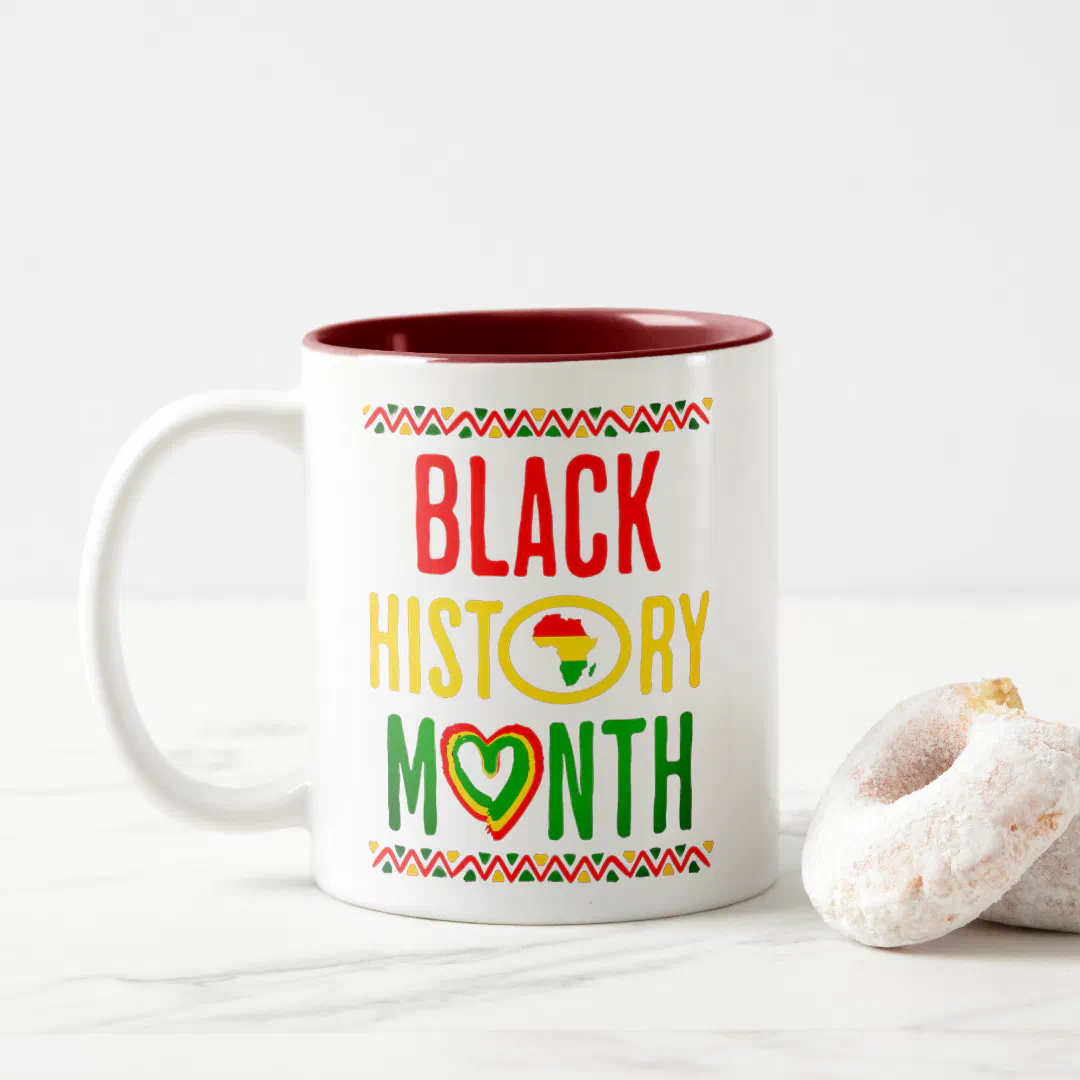
February marks the arrival of Black History Month, a time dedicated to recognizing and honoring the profound contributions of Black Americans throughout history. Whether you’ve begun planning your observance or are just starting to engage with the month’s significance, these are countless stories to discover, achievements to celebrate, and lessons to absorb. This year’s theme, “A Century of Black History Commemoration,” is particularly special. We’re marking 100 years since historian Carter G. Woodson planted the seeds of what would become Black History Month. A full century of honoring Black contributions across history, culture, science, art, politics, and every field of human achievement.
We’ll be breaking down how Black History Month actually came to be, sharing real ways you can participate meaningfully, and highlighting amazing Creators turning celebration into powerful cultural statements.

One Week to One Hundred Years
In 1926, historian Carter G. Woodson examined the history books and curricula of his time and recognized a critical absence: the stories and achievements of Black Americans were largely overlooked or entirely omitted. His response was both deliberate and visionary, and with this he established Negro History Week. The ‘Father of Black History’ picked the second week of February with a simple but revolutionary vision: ensure Black Americans’ contributions were recognized, taught, and celebrated. That single week became essential in schools and communities for decades, but as the Civil Rights Movement gained steam, it became obvious one week would not be enough. In 1976, President Gerald Ford officially recognized Black History Month, and what started in classrooms spread globally to the UK, Canada, and Europe.
Now we’re here, 100 years later. The 2026 theme, “A Century of Black History Commemoration,” invites us to reflect on this incredible journey from a single week to a month-long global celebration. Woodson’s original purpose – education, recognition, and celebration – still rings true today, but we’ve also learned something important: Black history isn’t just for February. This centennial isn’t just looking back; it’s looking forward to how we continue carrying that torch, making Black history a living part of our everyday lives, one conversation and one action at a time.
Black History Month in Design: Creator Spotlight
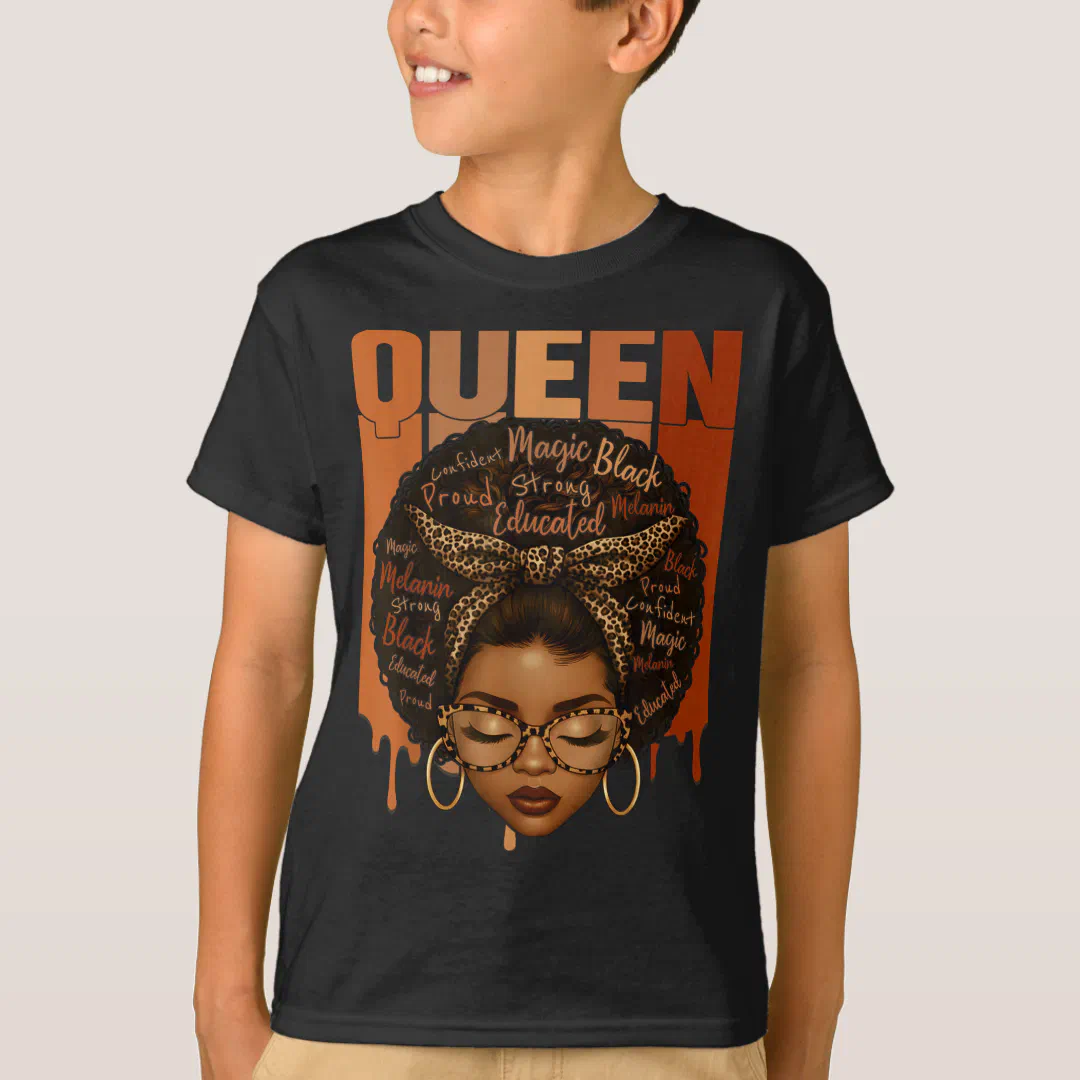
As we commemorate the centennial of Black History Month in 2026, we recognise the Zazzle Creators who honor this milestone through their work – upholding Carter G. Woodson’s vision of education, recognition, and celebration in contemporary ways. Their contributions reflect the ongoing evolution of how to preserve and share Black History, transforming commemoration into tangible expressions of culture, solidarity, and pride.
To understand the personal connection behind their creative work, we asked these Creators about their inspirations for Black History Month and how their designs contribute to this historic centennial.
As we mark 100 years of Black History Month, how do we honor the past while ensuring it remains a catalyst for the future?

“By telling the truth about our history and acknowledging how significant of an impact it made. Not treating it as a “random fact” from the past, but recognizing how those things still affect us today. Highlighting the lasting changes that have already been made is a reminder that what we do today can and will carry on in the future.”
“Never forget what our ancestors went through and strive to make changes for a better future. Treat every person with love and respect.”

Are there specific historical events, figures, or movements that have inspired you to be an advocate for Black History Month?

“Martin Luther King Jr., Rosa Parks, Thurgood Marshall, Barack and Michelle Obama & Juneteenth.”
“The Civil Rights Movement and figures such as Martin Luther King Jr., Malcolm X, Rosa Parks, and Maya Angelou have deeply influenced my respect for Black history and resilience. Beyond individuals, the collective strength of movements centered on dignity, education, and cultural pride continues to inspire me to advocate for visibility and acknowledgment of Black contributions across art, business, and society.”

We would love for you to share a Product/ Collection that you feel helps celebrate the existence and awareness of this Heritage event. How do/can your creations help celebrate and recognize Black History Month, if they do?
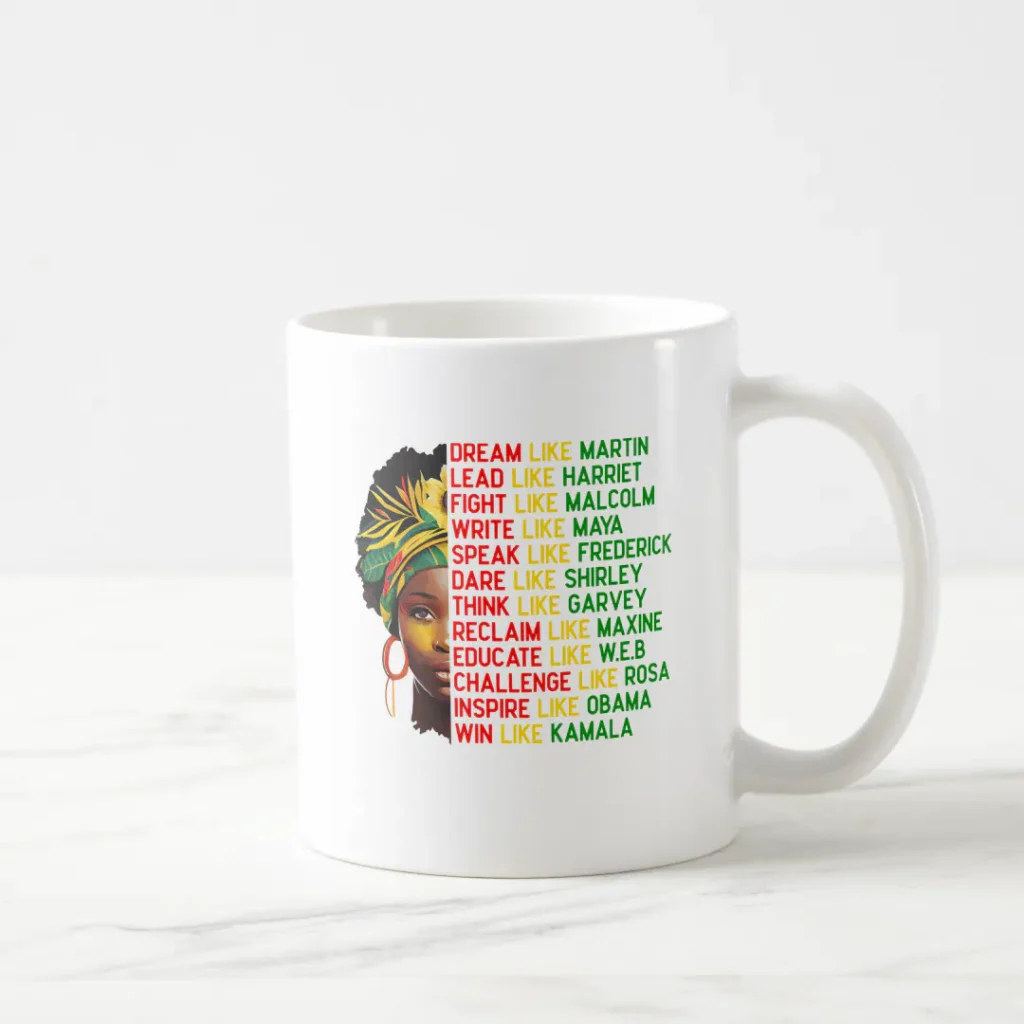
“My designs focus on empowering messages, symbolic visuals, and affirmations that highlight resilience, pride, and cultural awareness. Through typography-driven statements and bold visual storytelling, my products aim to spark conversation, encourage reflection, and allow people to express solidarity and appreciation for Black history in everyday life. This store includes statement-based designs and customizable products intended to celebrate identity, heritage, and meaningful social messages.” – OMAR BEN EL HADI
“They show that black history isn’t confined to one month, it’s being made daily. Black culture is ingrained in every aspect of life and is something to be recognized and celebrated..” – Saint Mari

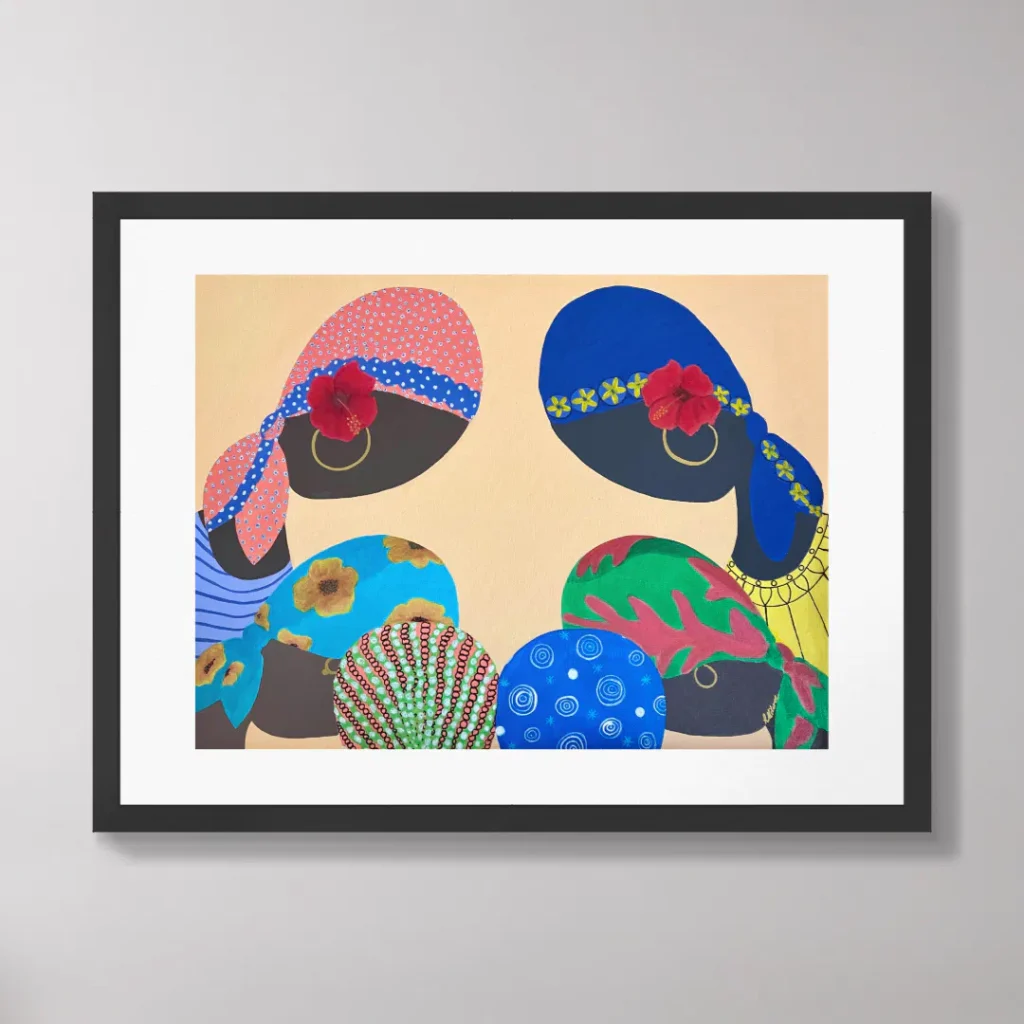
“While my work does not explicitly reference Black History Month, my collection titled Bold, Black & Beautiful honors the strength, personal power, and resilience of modern Black women. Each piece celebrates a reclaimed Black identity—African, Afro-American, or Afro-Caribbean—and invites Black women to move forward with confidence while embracing their cultural heritage and ancestry.” – Régine Milord
Carry the Legacy Forward
This year offers us a chance to reflect on a century of progress, while acknowledging ongoing work. The stories we amplify, the creators we support, the conversations we have – these shape how future generations understand this moment. Whether through supporting Creators, educating ourselves year-round, or creating meaningful keepsakes that spark dialogue, each action extends Carter G. Woodson’s legacy into the next century.
As we move beyond this centennial, the question isn’t just how we celebrate in February 2026, but how we ensure the next 100 years reflect genuine commitment to equity and recognition of Black excellence. The commemoration continues, and we’ll all play a role in carrying that torch forward.

Zazzle Ideas hosts a wide range of content experts, contributing knowledge & inspiration around current events. Learn more about what our writers have to say, exclusively here on Zazzle Ideas.