
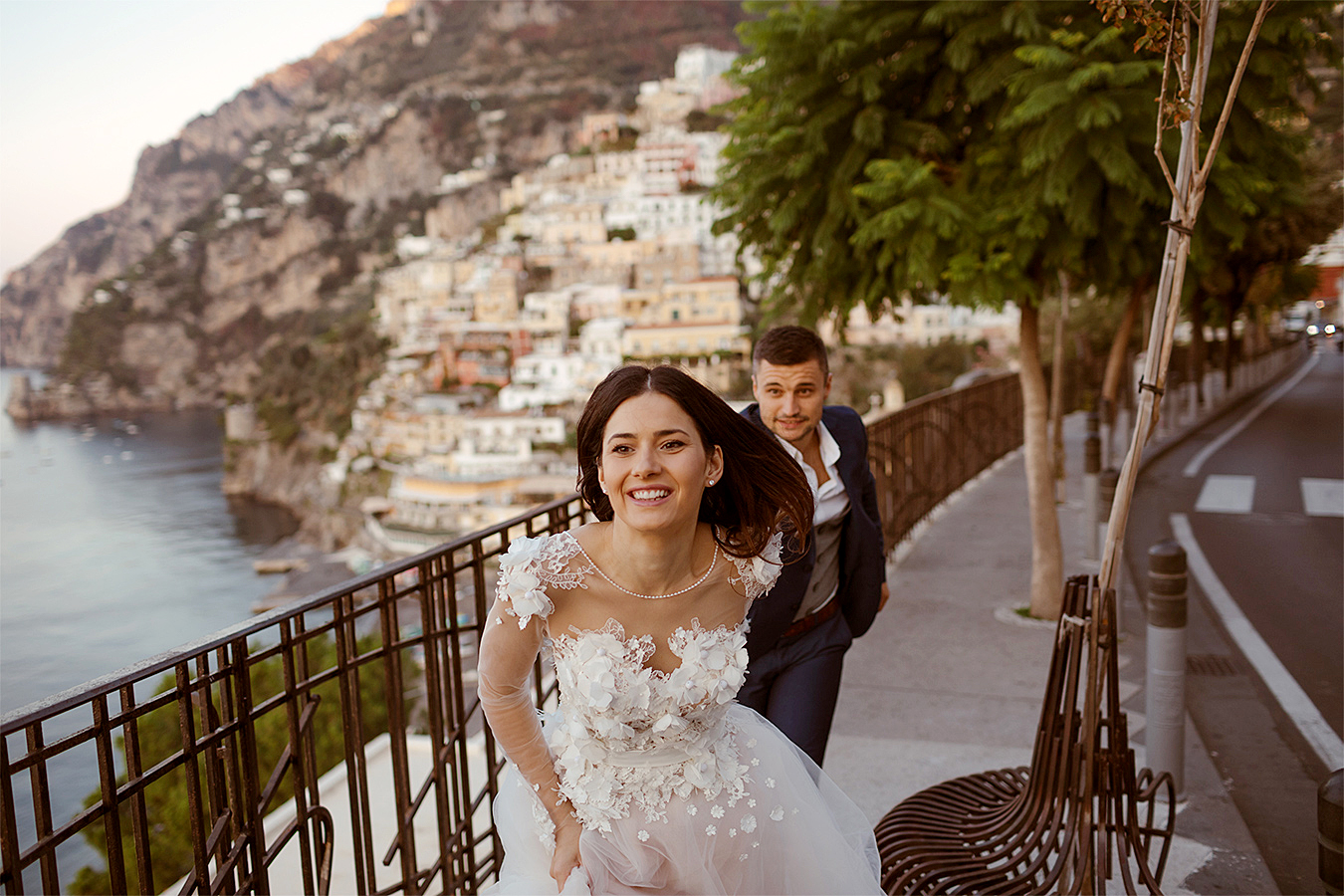
Destination weddings continue to be popular, as couples trade familiar surroundings for breathtaking mountain backdrops in Asia, romantic rolling hills in Europe, and scenic, sunset-lit beaches in the Caribbean. Traveling abroad can lend the event “a real sense of excitement and occasion,” according to Le Ciel, and the breathtaking location means that a destination wedding also functions as a built-in honeymoon!
Planning a wedding does become an even greater feat if you’re having your nuptials in a faraway locale, however – as if it wasn’t hard enough! If you and your new spouse are following your hearts’ desires by going out of town, here are some tips and tricks for hosting a destination wedding. Rather than overwhelming you further with everything there is to know about the process, we’ve pared our know-how down to ten crucial pointers that should serve you well on your adventures.


Start Planning Early
The pre-planning phase for an international wedding can be lengthy, with scoping out the location, reaching out to local vendors, and establishing a budget. Just like at home, procrastination could cost you the best date or your dream venue, so commence your research early to avoid disappointment. Once you’ve settled on those details, don’t leave your guests in the dark, either; enlighten them around 9–12 months in advance with a Save the Date welcoming them aboard (and later an invitation. For a breakdown of what to include in both, check out “Save the Dates vs. Invitations: The Key Differences Explained“).
Visit the Location
We admit there might be a certain allure to getting married in a country you’ve never been to: the excitement and mystery of being in uncharted territory. But because ease and convenience are important considerations too, we recommend you visit the location at least once (and arrive 5 days before your guests do, according to Brides.com). Practical concerns – the temperature, the cost of living, accessibility – can be assessed on this reconnaissance mission.



Research the Area and Legal Requirements
One of your priorities on that initial fact-finding mission should be to establish any legal requirements needed for the marriage to be recognized in that country. It might not be as straightforward as parachuting onto the island, officiant in tow; some countries ask that a residency period be observed or exact paperwork be presented. Nothing dampens the mood like learning your tropical wedding has no legal standing, so connect with an embassy or check the guidelines online to verify you meet the criteria. If there’s any doubt, some couples have a civil ceremony at home first, according to Truly Engaging.
Hire a Wedding Planner
Wedding planners are the best at managing the intricate details of a marriage celebration (and for a deep dive from our own wedding specialists, read “Wedding Planners: Tying the Knot Without the Tangles.” If you were already thinking of hiring a planner, then a destination wedding makes their expertise even more essential. Seek out a professional who has experience of working abroad or who may even be based in the area. Their translation skills and ability to act in your stead could save you a couple of migraines trying to work out the logistics!

Create a Wedding Website
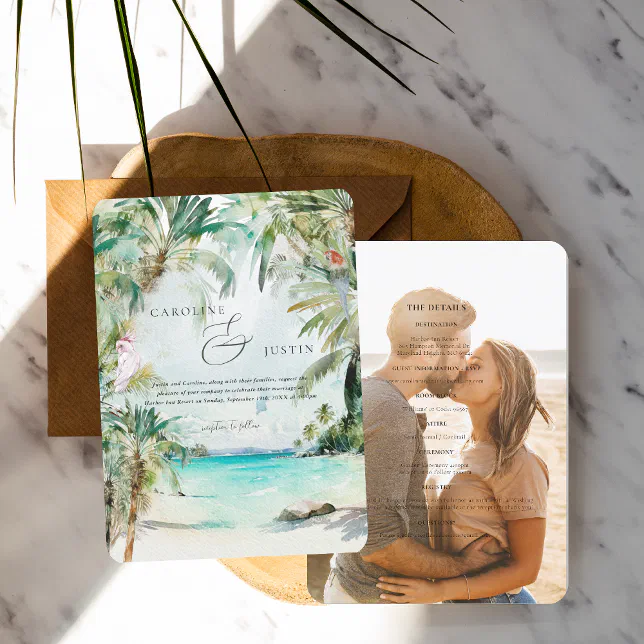
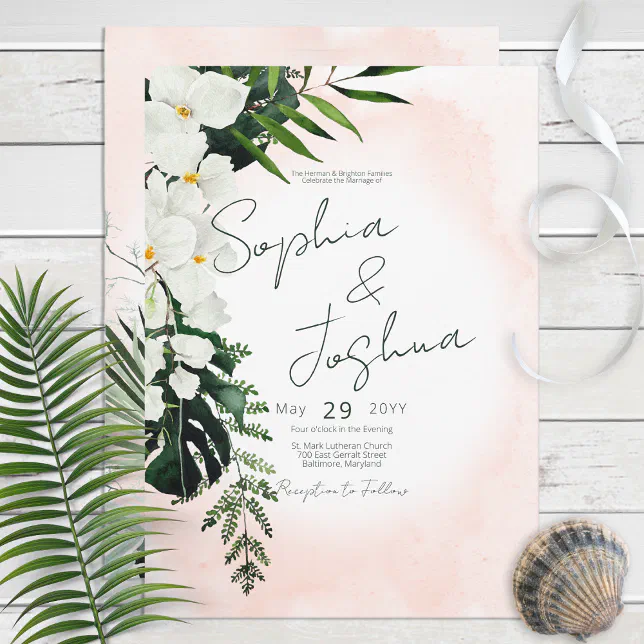
True, a URL can’t be your boots-to-the-ground proxy in another country like a wedding planner can, but it does help with communication and serves as a digital keepsake. The amount of context and information to relay for a destination wedding is immense, but a personalized domain can store it all in one convenient place: maps, directions, a detailed itinerary, FAQs, RSVPs, and even translation support. To get started, navigate to “Your Personalized Wedding Website Part 1: Tips and To-Dos For Creating Your Digital Dream.”
Secure Travel and Wedding Insurance
While access to wedding planners and websites can reduce the risk of any mid-ceremony crises, you can’t plan for everything. So, to pre-empt those unexpected emergencies – extreme weather conditions, vendor cancellations – take out wedding and travel insurance to guarantee some recompense. Obviously, contingency plans are even more crucial: the return of your deposit still won’t help you enlist another vendor at short notice. Here Comes the Guide recommends discussing financial coverage with your insurance provider around 12 months in advance.


Source Vendors Locally
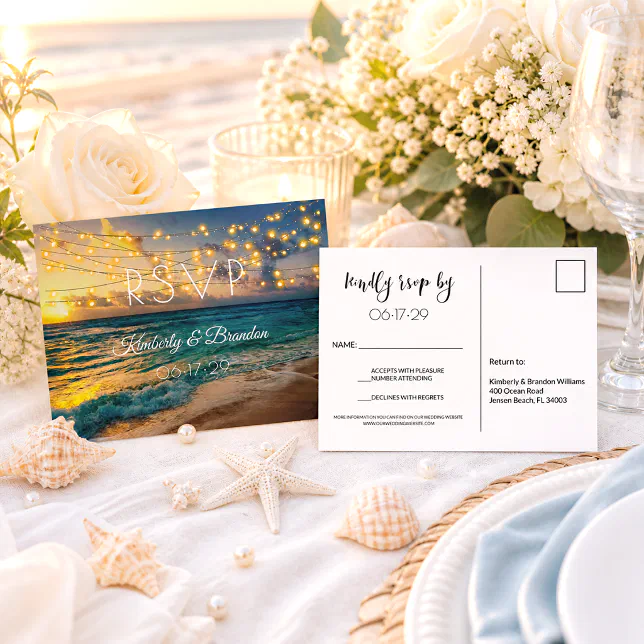
Imagine trying to bundle all of your wedding vendors on a plane to the Bahamas and avoiding any mishaps. Feels like you might be tempting fate, right? To allay the stress of corralling everyone in one far-flung place, source your partners and supplies from the area itself. Their proximity will net you a discount, and their knowledge of the environment will bring an authentic, unique flavor to your day – literally so, when it comes to locally grown ingredients on the wedding menu.
Suggest Activities for the Guests
Depending on how far away the destination is, your guests may decide to extend their vacation. Having your friends and family tagging along and photobombing your selfies might spoil the romance, though, so suggest some optional outings for your guests via the invite or website. Encourage them to savor the sights, take in some cultural experiences (live music, local artisans), or sample a restaurant you’ve already fallen in love with. They’ll make the most of their break, and you won’t feel obliged to keep them company.


Pack Carefully
No amount of packing will make getting married during monsoon season comfortable, but you should still equip yourself with the right clothing and travel accessories for the climate. Of course, the most vital item is your wedding dress, so have it professionally packaged and couriered rather than surrendering it to the luggage hold. Or, better yet, stow it in an overhead compartment, intact in a garment bag, as wedding photographers The Breiters did. You don’t want to be the last passenger circling the carousel in vain if anything goes wrong!
Leave a Wedding Welcome Bag
More broadly, this last tip is about making sure to greet your friends and family when they arrive – don’t park yourself in a hotel room while your elderly relatives try to hitchhike their way from the airport! If you’ve managed to secure a hotel block for reservations, then the concierge or housekeeping staff will be able to drop a wedding welcome bag in each room, filled with favors, bottled water, brochures, taxi numbers, and sunglasses. Learn what else you could include with our article on “Thoughtful Touches: What to Put in a Wedding Welcome Bag.”



While planning a destination wedding can seem like a long haul at the start, with these helpful tips you can pull off an event that you, your spouse, and your guests remember forever. And if you still aren’t convinced by the prospect of a destination wedding, chart a course for this article: “Destination Weddings: Weighing the Pros & Cons for Your Dream Wedding.”

Eoin is a Content Specialist at Zazzle in Cork. He’s recently bought a house with his fiancée, and thus most of his time these days is spent trying to keep the walls from caving in and the wolves from the door. Still, he’s always open to book, game, and movie recommendations, so if you have some, let him know: he’ll add them to a very, very long list.