You’ve been there – struggling to recall the name of the person you talked to at the start of the evening. Were they an interior or graphic designer? It was definitely one of the design job titles… gak! Networking can be a tricky business and making a great first impression makes a lasting one too! That’s where business cards come into the picture; everything you need to know about what someone does for a living, right there at your fingertips. A good business card is an amazing networking tool and aids in promoting you and your skills. The perfect business card, however, leaves a lasting impression. The information you put on your card, the layout of the front and back, and how you present yourself and your business through this platform are all things that need to be considered carefully.
What should you put on the front of a business card?
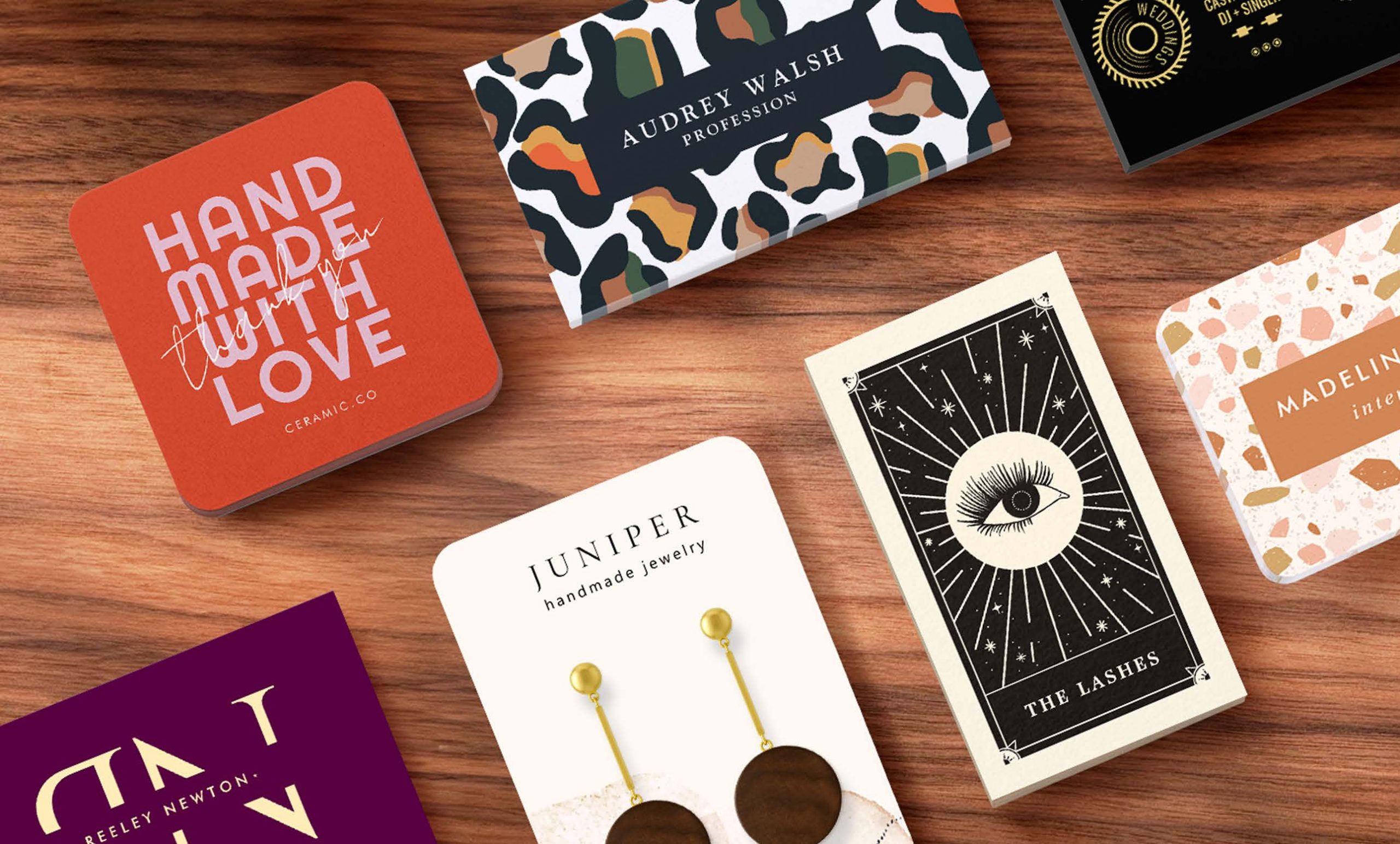
It’s standard business card etiquette to include a logo, tagline, your name, job title and contact details, but it’s a bit more nuanced than that if you want to create something memorable. When adding content, it’s important to keep in mind the purpose of your business card and the customer or business contact you’re giving it to.
Branding
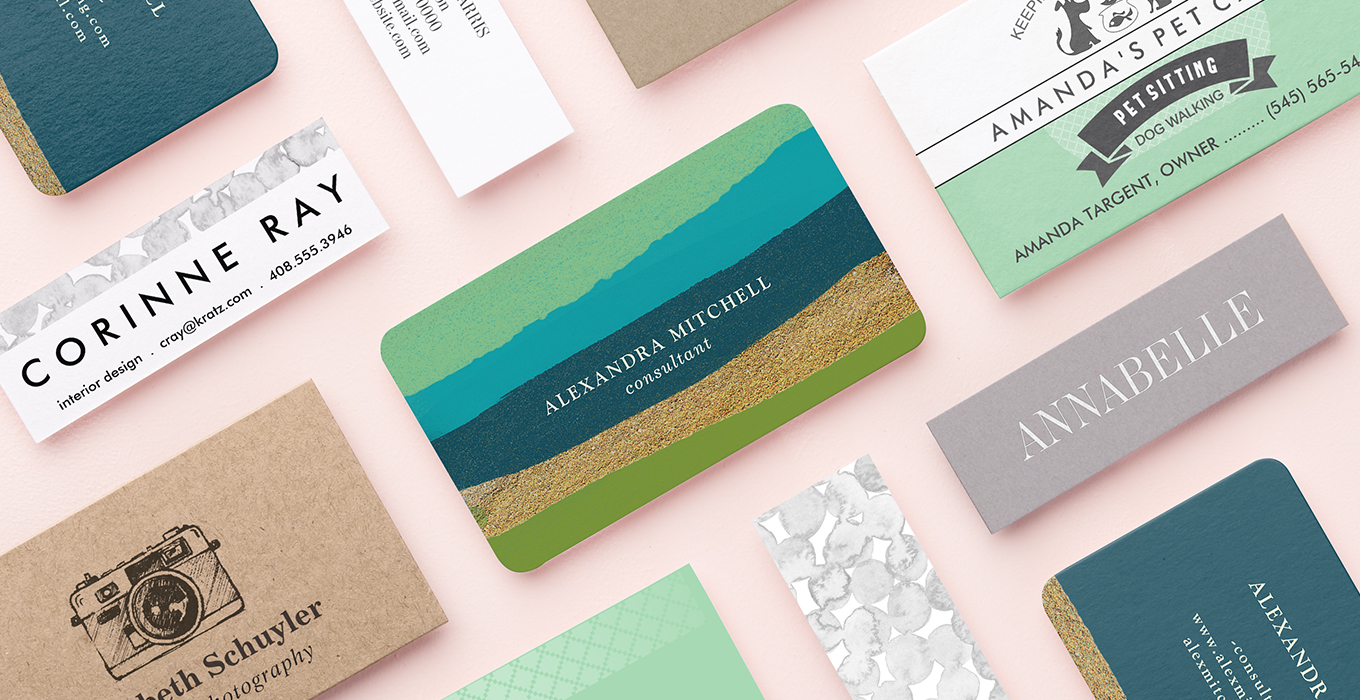
Your business card is an extension of your brand, which means it should reflect the style you want your brand to be known for. Keeping your colors, logo, tagline, and style consistent, from your business card to your website, is the first step in creating a recognizable brand.
Name
Include the name you go by – if people don’t usually address you by your birth name, don’t use it! A business card is personal as well as informative, and not a form of official identification.
Job Title
Try to be as specific as possible with your job title so people will understand what you do without the need for extra research.
Contact Details
– Your contact details should give people the chance to reach you as directly as possible if it’s for networking. Provide your personal business email but not a general business email. It reinforces the personal touch of a business card.
– Provide only relevant information because a wall of text and information crowding a card can be off-putting. For example, physical addresses might only be necessary if you have a physical shop or location.
– Make your website URL interesting. Rather than leading to a generic webpage, lead potential clients to a special welcome page just for them.
– Keep your URL simple and memorable so people don’t have to type out something long and complex.
Photo
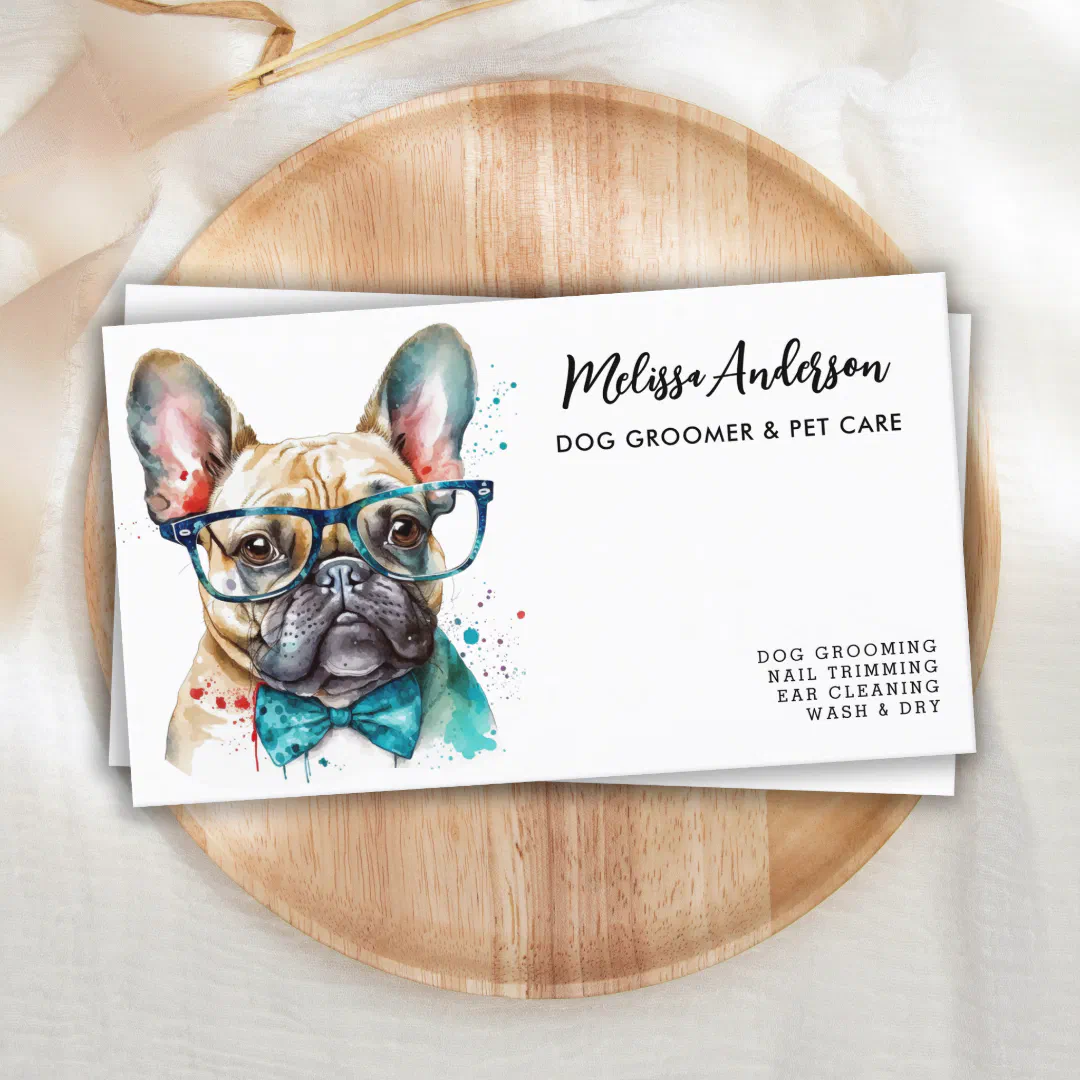
Including a photo has its benefits if done well; it can provide a face for an otherwise faceless business, help you and your company build a reputation, and forge a connection with people. However, it takes up valuable space on the business card that another image or logo might occupy. Additionally, a headshot might also give people the idea that they’ll be contacting you directly and not an assistant or receptionist. If this isn’t the case, then the picture is best avoided.
What should you put on the back of a business card?
Use the back of your business card for something unique and extra! It’s human nature to flip over the card to check if there’s something on the back, so take advantage of this instinct. This is your chance to show off or deepen your brand identity. Be funny, creative, informative or stylish!
Demonstrate
Use the blank space to show off your work; your photo editing, your graphic design, your signature dish or nail art. Include a link or QR code to lead people to a short introductory video. Use the video content to give people a better idea of what you do or to showcase your ability.
Offers
Everyone loves a special offer. Share special discounts or a bundle offer via your business card. You can even turn it into a coupon or loyalty card. People are more likely to hold on to something they can also use and benefit from.
Directions
If your business location is hard to find, add a useful map to show the way.
Social Media
Your online presence is important and social media lets you interact with people on a different level. If you have the extra space, include URLs to your accounts. Otherwise, just include the icons to websites you’re active on.
The purpose of your business card is important to keep in mind. Are you using it for networking, to promote yourself or your business, or to build your client base? Potential employers might not be interested in a 10% discount on your services but potential clients will. Aim to stand out from the crowd with what you put on your business card and treat it like any other proposal or presentation.

With a background in psychology and sociology, love of football, literature, travel and music, Aonghus had always tried to be trendy, but then the trends changed.